


Animal bites can be a frightening experience, but understanding animal behavior is a key step toward prevention. You can learn how to interact safely with animals, which helps protect you and your family. This education equips you to make decisions about animals.
Animal Body Language
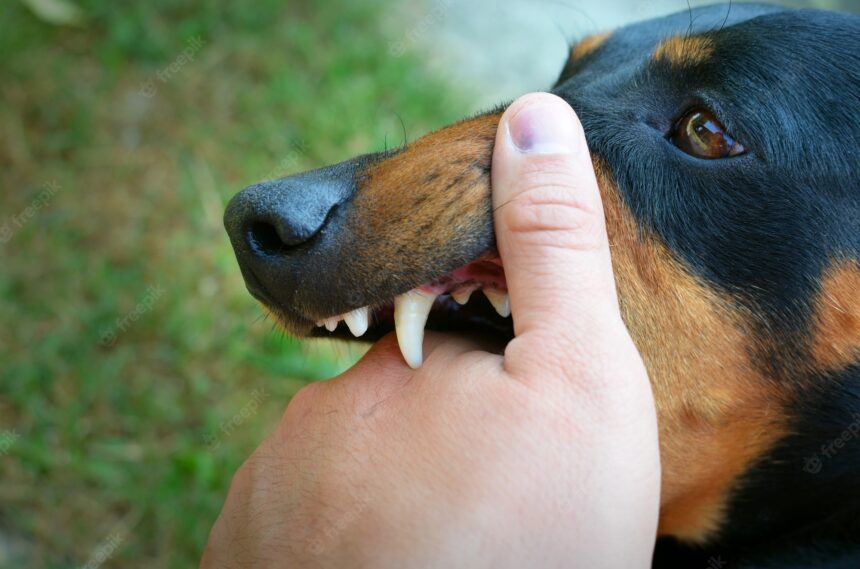
Reading an animal’s signals is key. Pay close attention to their posture and sounds. An animal may be stressed, so give it space if it seems anxious or afraid. A wagging tail can mean happiness, but it may also show nervousness. Understanding these cues helps you respond. Animals communicate their feelings. Look for the right cues. Growling or hissing is a warning sign. Ignoring these signs could lead to animal bites. Flattened ears or a tucked tail can show fear, so avoid sudden movements if you see these signs. Raised hair along an animal’s back signals they feel threatened, and wide eyes often show surprise or fear. Licking lips or yawning frequently signals mild stress, while turning their head away may indicate your presence is unwelcome. Recognizing these signals helps you act cautiously and keeps everyone safe.
Safe Practices Around Animals
Always ask for permission before petting someone’s animal. This is a simple but important rule. Some animals are shy around new people, but others might be protective of their owners. When you get permission to approach an animal, let it sniff your hand first. Then proceed with caution. Avoid sudden movements and keep your tone calm and quiet. If an animal acts uncomfortable, back away slowly and do not force an interaction. Teach children how to act around animals. Supervision is recommended.
A wagging tail does not always mean a dog is friendly. Flattened ears or a tucked tail often signal fear or discomfort. Encourage children to give animals space if they show stress, such as growling, hissing, or pacing. When children learn to interpret these cues, they can make decisions about approaching or leaving animals. This knowledge empowers children to build trust, and it teaches them to respect animals.
Animal Bites Protocol
Seek medical attention if an animal bites you. Your health is the top priority. Even a minor bite may become infected, so a doctor should examine the wound promptly. Medical professionals assess the risk of infection or injury and give advice for your situation. While waiting for care, wash the area with soap and water. Let a professional handle any further treatment. Avoid using home remedies, as improper care might worsen the injury. Prompt care reduces the risk of complications and aids proper healing. A medical professional will know how to treat the bite. They will clean the wound to remove dirt and bacteria. Depending on the severity, they may close the wound with stitches or staples or provide a tetanus shot. Sometimes, bites lead to infections.
Take the Next Step
If you experience an animal bite, seeking prompt medical care is the most important action. There is help available. Urgent care centers are here to provide the immediate attention you need. Your team will clean the wound, assess the need for stitches or other treatments, and help you get on the path to recovery. Don’t wait; visit today for professional and supportive care.