



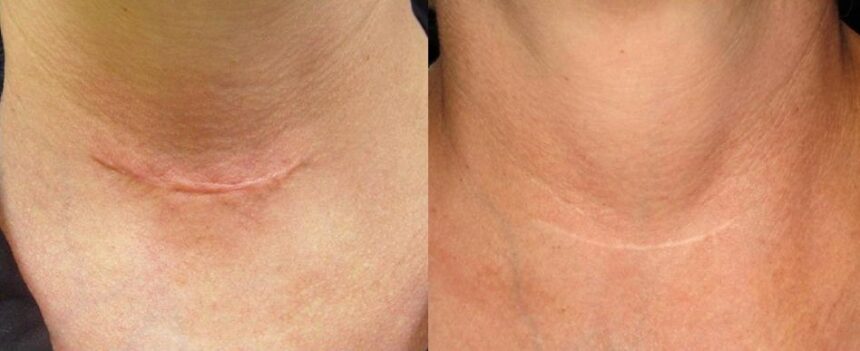
Living with scars can be challenging. Many people seek ways to improve their skin’s appearance. Microneedling is a procedure that addresses various skin concerns, including scarring. This treatment may offer a path toward smoother skin, and understanding how it works helps as you explore your options.
Microneedling for Scars
Microneedling is a cosmetic procedure. It uses tiny, sterile needles to create micro-injuries in the skin. This process stimulates the body’s natural healing response, and it encourages collagen and elastin production. As the skin heals, new collagen may improve the texture and appearance of scars over time. Each session uses a specialized device to evenly and controlledly stimulate the skin’s repair mechanisms. The repeated needling promotes smoother skin and a more even tone over a series of treatments. Since microneedling is versatile, it can be tailored to your unique skin type and scarring patterns. This treatment is used on different types of scars.
It is often used for acne scars, surgical scars, and stretch marks. The needle depth is adjusted for your needs, so the technician can address your unique skin concerns. A trained professional performs the procedure to promote safety and effectiveness. Many patients wonder if the procedure will hurt, but topical anesthetics make the process manageable. The needles used are extremely fine, and the sensation is often described as a light vibration or mild scratching. Because the device moves quickly across the skin, any discomfort is usually brief. Learning what the sensation feels like helps reduce anxiety before your appointment.
Combining Microneedling with PRP
For some individuals, microneedling is combined with Platelet-Rich Plasma (PRP). PRP is derived from a small sample of your own blood. The blood is processed to concentrate platelets, which contain growth factors that support skin healing. This combination is thought to boost the results of standard microneedling. The PRP is applied to the skin after the microneedling portion is complete. The micro-channels created by the needles allow the PRP to penetrate deeply. This process supports skin regeneration and may improve scar texture, especially since PRP adds growth factors to the area. This combined approach aims to maximize your skin’s healing potential. Using your own blood minimizes the risk of allergic reactions. The preparation process is usually quick, so it usually does not add significant time to your appointment.
During and After Treatment
A typical microneedling session is straightforward. A numbing cream is usually applied first to help you feel more comfortable. The technician then moves the microneedling device across the treatment area, and the procedure itself is relatively quick. After the session, you may experience some redness, which often subsides within a few days. Proper aftercare supports your skin’s healing process. You will receive instructions on caring for your skin after treatment. These guidelines can include avoiding sun exposure and using gentle skincare products. It’s recommended to keep your skin moisturized and avoid wearing makeup for the first few days. You may notice mild swelling, tenderness, or flaking as your skin heals, as new skin is forming. These effects are usually temporary. Multiple sessions are recommended for noticeable results.
Make an Appointment Today
Understanding your options is the first step toward addressing your scarring concerns. Microneedling, with or without PRP, offers a structured approach to skin rejuvenation. If you are interested in this treatment, speaking with a qualified professional provides clarity. A consultation will help you determine if this procedure is the right fit for your skin, so make an appointment today.