


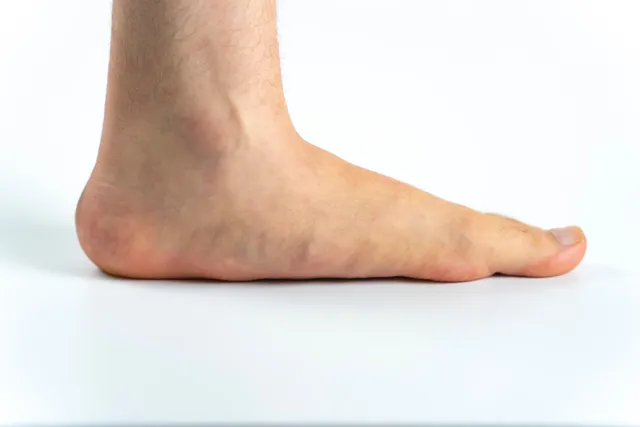
Flat feet (also known as pes planus or fallen arches) are a common foot condition in which the arches are lower than normal or absent, often affecting posture, balance, and mobility. While some individuals experience no discomfort, others may develop pain or strain in the feet, ankles, or legs. Understanding the signs, symptoms, and available solutions for flat feet helps support early intervention and long-term foot health.
Identifying Flat Feet Physical Signs
Identifying flat feet is often as simple as observing your feet. The most noticeable sign is the lack of an arch when standing, with the entire foot flat against the ground. You should try a “wet test” to check this easily. Wet your feet, step on concrete or paper, and observe the imprint. If the imprint shows your entire foot without a dry curve on the inner edge, it suggests collapsed arches.
Your shoe’s wear pattern will reveal clues about your foot mechanics. Check the soles of your most-used shoes, focusing on the heel and ball areas. Excessive wear on the inside edge indicates your feet roll inward when walking. This inward rolling, called overpronation, is a common sign of flat feet. Recognizing these signs early helps prevent secondary injuries.
Recognizing Developing Symptoms
Some people with fallen arches feel no pain, while others develop symptoms that worsen with activity. The most common complaint is a dull ache or fatigue in the arch or heel, especially after standing or walking for long periods. This “tired feet” sensation is discouraging and limits exercise or sports. Runners with fallen arches may notice reduced stamina due to foot fatigue rather than cardiovascular limits.
Pain from fallen arches isn’t always limited to the feet. Fallen arches change leg alignment, causing uneven stress up the kinetic chain. You might feel pain in your ankles or experience shin splints that don’t respond to typical treatments. Inward leg rotation also strains the knee joints and hips, causing chronic discomfort. Flat feet could be the cause of plantar fasciitis or Achilles tendonitis. Take into account your foot structure when dealing with persistent lower-body pain.
Understanding Causes and Risks
Understanding the origins of flat feet helps you find the best management approach. There are two main types: flexible and rigid pes planus. Flexible pes planus is common in children and may persist into adulthood. The arch is visible when the foot is lifted, but disappears when standing. Rigid pes planus is present whether sitting or standing. This type is often caused by abnormal bone development or by a bone coalition.
Acquired flat feet occur in adults who previously had normal arches. It is often due to the weakening of the posterior tibial tendon. This tendon supports the arch; if inflamed or torn, it can slowly collapse. Aging increases the risk as ligaments weaken over time. Obesity, diabetes, and rheumatoid arthritis also raise the likelihood of fallen arches. Injuries like ankle fractures or torn ligaments will disrupt foot stability and flatten the arch.
Effective Solutions and Management Options
Having flat feet should not render you inactive in engagements. There are numerous non-invasive strategies designed to support your arches and correct alignment.
- Supportive Footwear: Choosing the right shoes is fundamental for managing this condition. Look for shoes labeled as “motion control” or “stability” shoes, which are designed to counter overpronation and support the arch.
- Orthotics: Shoe inserts are highly effective at redistributing pressure and aligning the foot. While over-the-counter options provide some relief, custom orthotics prescribed by a podiatrist offer a designed solution for your specific foot shape.
- Physical Therapy: Specific exercises can strengthen the muscles in your feet and lower legs. For instance, heel raises and towel scrunches can improve the stability of your foot and ankle.
- Rest and Ice: If you are experiencing acute pain, reducing high-impact activities and applying ice can help manage inflammation.
If conservative treatments don’t work, surgery may be necessary. This is also true if the deformity is severe. Procedures can range from repairing tendons to realigning bones. The right surgery depends on the cause of the collapse. Consult with a foot and ankle specialist. They will listen to you as you discuss your condition and provide you with the best treatment options.
Schedule an Appointment Today
Recognizing the signs of flat feet is the first step toward reclaiming a pain-free life. You do not have to endure constant foot fatigue or the secondary joint pain that often accompanies fallen arches. Whether you need guidance on the right footwear, custom orthotics, or a more advanced treatment plan, book an appointment with a licensed podiatrist near you to receive professional care.