



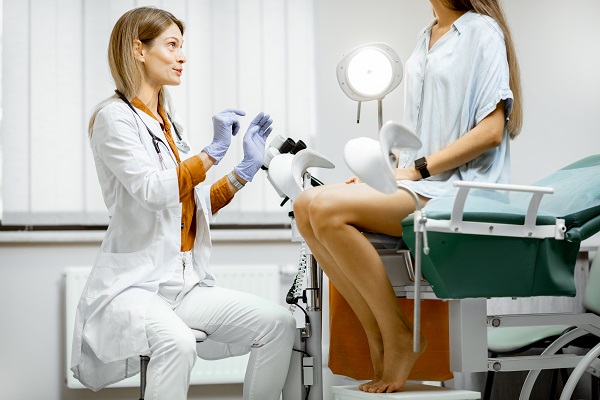
A gynecologist specializes in female reproductive health, and they diagnose and treat issues related to the uterus, fallopian tubes, ovaries, and breasts. Visiting a gynecologist for regular check-ups is a key part of preventative healthcare for many women. Here is more information about the role of a gynecologist in preventive care:
Providing Pap Smears
Pap smears are a method for cervical cancer screening. Your gynecologist performs this test during a pelvic exam, and it is a straightforward procedure. Early detection may allow for more effective management options, so regular screenings are a good practice. A sample of cells is collected from your cervix, and this sample is then sent to a lab for testing.
Performing Mammograms
A mammogram is an X-ray picture of the breast, and doctors use these to look for early signs of breast cancer. For some women, mammograms can spot changes in breast tissue that may be too small for you or your doctor to feel. Regular mammograms are a component of early detection.
Gynecologists typically coordinate this aspect of preventative care. They will assess your risk factors, such as age and family history, and they provide a referral for a mammogram at a radiology center. After you have the imaging done, the gynecologist typically reviews the results with you.
These screenings are recommended for women starting at a certain age, and the U.S. Centers for Disease Control and Prevention recommends mammograms every one to two years for women, beginning at age 40. Your personal health profile might alter this recommendation. Your doctor will help you understand the appropriate screening schedule for your situation.
Detecting STIs
Gynecologists also screen for sexually transmitted infections (STIs). Some STIs do not show symptoms, which makes regular testing a practical step for sexually active individuals. Your gynecologist can perform tests for various infections during your visit. These tests might involve:
- A blood sample
- A urine sample
- A swab from the affected area
Since early detection of STIs allows for prompt treatment, this may help manage your health and reduce the chance of spreading the infection to others. Openly discuss your sexual history with your gynecologist; this helps them provide you with the best care. They create a safe space for you to ask questions.
Treating Reproductive Health
Gynecologists manage a wide range of reproductive health issues. They provide guidance on contraception and family planning. Your doctor can explain different birth control methods, and you can choose one that fits your lifestyle. They also address problems like irregular periods and pelvic pain.
When you experience unusual symptoms, a gynecologist works to find the cause. Conditions such as endometriosis or polycystic ovary syndrome (PCOS) require specific care. Your doctor will create a management plan tailored to your needs after reaching a diagnosis, and this may involve medication, lifestyle adjustments, or other treatments.
Schedule a Gynecologist Visit
Regular visits to a gynecologist support your long-term health, and these appointments are an opportunity to discuss your health concerns. Based on your age and health status, your doctor provides screenings and examinations. These preventative measures are a fundamental part of managing your well-being. Contact a provider today to schedule your next gynecologist appointment.