



Telehealth family therapy uses secure digital platforms to deliver mental health services, and it offers accessibility for families who are unable to attend in-person appointments. This modality maintains the structural integrity of evidence-based therapeutic practices while adapting to a virtual environment. Here is more information on this therapy and how family dynamics are navigated:
What Is Telehealth Family Therapy?
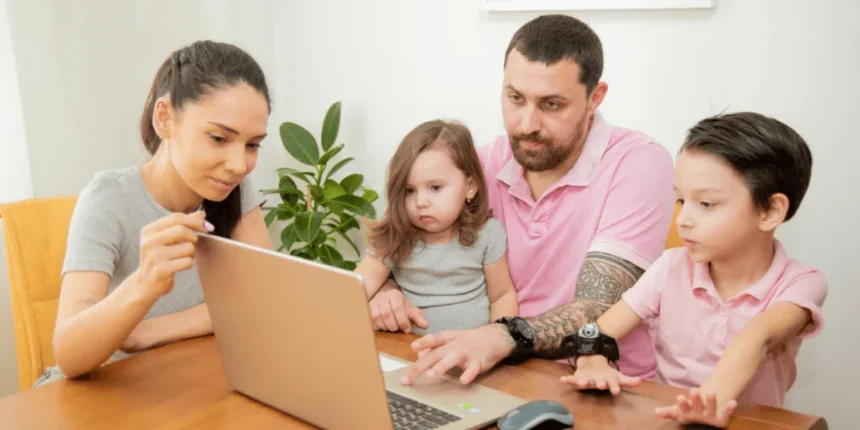
Telehealth family therapy involves mental health professionals conducting sessions via video conferencing software. This approach allows family units to participate in therapy from home, or they can join from separate locations if necessary. The primary objective remains to resolve interpersonal conflicts and improve communication patterns within the family system.
Who Does It Help?
This modality is beneficial for families facing geographical barriers or those living in rural areas with limited access to providers. It supports families with members who have mobility issues, and it accommodates busy schedules that make traveling to a physical office difficult. Telehealth also serves families where members live in different households, such as during separation or when a child is away at college.
Clinical applications cover a broad range of familial issues. It effectively addresses behavioral problems in children and adolescents, marital conflict, and difficulties with co-parenting. Families navigating significant life transitions, such as divorce or bereavement, may also use this format to stabilize their domestic environment, and it helps improve family dynamics.
What Does the Process Involve?
The therapeutic process typically begins with an intake assessment to gather history and identify presenting problems. Subsequent sessions follow a structured treatment plan designed to address specific objectives agreed upon by the family and the clinician. The therapist guides the family through various exercises and discussions, and they may assign homework to be completed between appointments. Regular progress reviews determine if the current interventions are effective or if adjustments to the treatment plan are necessary.
How Are Family Dynamics Navigated?
Navigating complex family dynamics via a screen requires specific clinical observation skills and adaptation. Therapists observe verbal and non-verbal cues through the camera, yet they also rely on verbal reports of home interactions to form a complete picture. The virtual setting can sometimes reveal authentic home dynamics that may be concealed in a formal office setting. Therapists may manage the conversation to prevent members from talking over one another; this structured management helps de-escalate high-conflict situations that arise during the session.
How Is Professional Guidance Beneficial?
A licensed therapist may provide an objective analysis of circular conflict patterns that families often cannot see in themselves. They introduce evidence-based coping mechanisms and communication strategies, and they monitor the family’s progress over time to verify improvement. Professional intervention disrupts negative cycles that families struggle to break without external support.
Therapists may also provide psychoeducation regarding mental health conditions that affect family functioning. They teach conflict-resolution skills that reduce hostility, and they foster empathy among family members. This guidance equips the family with the tools necessary to maintain long-term stability after therapy concludes.
Seek Professional Help Today
Telehealth offers a viable option for families seeking to resolve internal conflicts and improve their relationships. It provides necessary support structures through a convenient medium, and it adapts clinical methods to meet modern logistical needs. Families facing difficulties benefit from evaluating this accessible option to improve their collective well-being.