



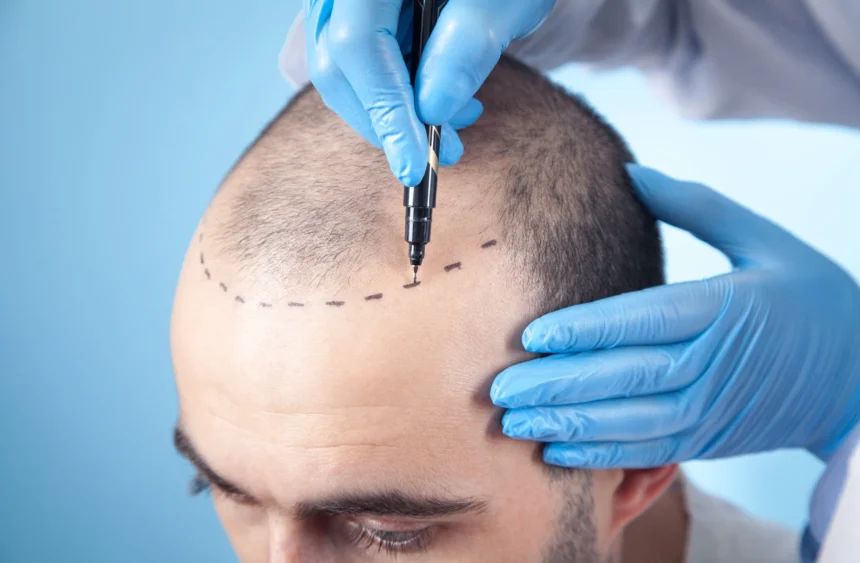
A hair transplant is a widely used solution for hair loss, restoring natural hair growth in thinning or balding areas. For individuals new to this procedure, understanding the available hair transplant options is essential for making informed decisions. Let’s outline the fundamental approaches, benefits, and considerations to help beginners navigate hair transplant treatments with confidence and realistic expectations.
Exploring Transplant Techniques
The two most common methods are Follicular Unit Transplantation (FUT) and Follicular Unit Extraction (FUE). Both harvest hair from a donor area, like the back of the head. FUT, or the “strip method,” removes a strip of skin with hair follicles. Your medical team dissects this strip into individual grafts for implantation. This method is helpful for patients who need a large number of grafts.
FUE is a more modern approach. It extracts individual hair follicles directly from the donor area. This technique uses a small punch tool and leaves tiny, less visible dot scars. FUE is popular for its more comfortable recovery. It also lets patients wear shorter hairstyles. If your scalp donor area is insufficient, body hair can be used; hair can also be taken from the beard or chest.
Performing Hair Transplants: Procedures
The hair transplant procedure combines precision, artistry, and medical expertise to achieve natural-looking results. It begins with a consultation where the surgeon assesses your hair loss pattern and discusses your goals. After finalizing a plan, the surgery involves several careful steps to achieve success.
Next, the surgeon prepares the recipient site by making small incisions for the new hair. This requires an artistic approach, as the angle, depth, and direction of the incisions create a natural-looking hairline. The grafts are then carefully placed into these incisions. Depending on the number of grafts, the process can take several hours, but patients can return home the same day.
Recovering After Treatment and Results
Recovering from hair replacement surgery requires patience. You’ll need to follow all post-operative instructions carefully. Expect some swelling, redness, and minor discomfort for the first few days. These side effects are temporary and will resolve with proper care. A key part of the process is the “shedding phase.”
The transplanted hair often falls out within two to three weeks. This is a normal response to the relocation trauma. It paves the way for new, permanent hair growth. Transplanted hairs behave like your natural hair; you can cut, style, and dye them as you did before.
Choosing the Right Transplant
Undergoing hair loss surgery is a major decision that requires careful consideration of several factors. One key factor is evaluating your candidacy, which largely depends on the quality of your donor hair. If there aren’t enough healthy follicles in the donor area, achieving the desired density may not be possible. It’s equally necessary to choose an experienced and qualified specialist.
Financial investment is another aspect to look into. Hair transplants’ costs vary depending on the technique and the number of grafts needed. It’s also essential to maintain realistic expectations for the outcome.
Book Hair Transplant Consultation Today
Hair restoration is a process that can profoundly impact the quality of life. Understanding your options and what the process entails allows you to move forward with confidence and realistic expectations. Whether you are interested in FUE, FUT, or specialized hair transplant procedures such as eyebrow or beard transplants, consult an expert in your area to discuss advanced, integrated options tailored to you.