



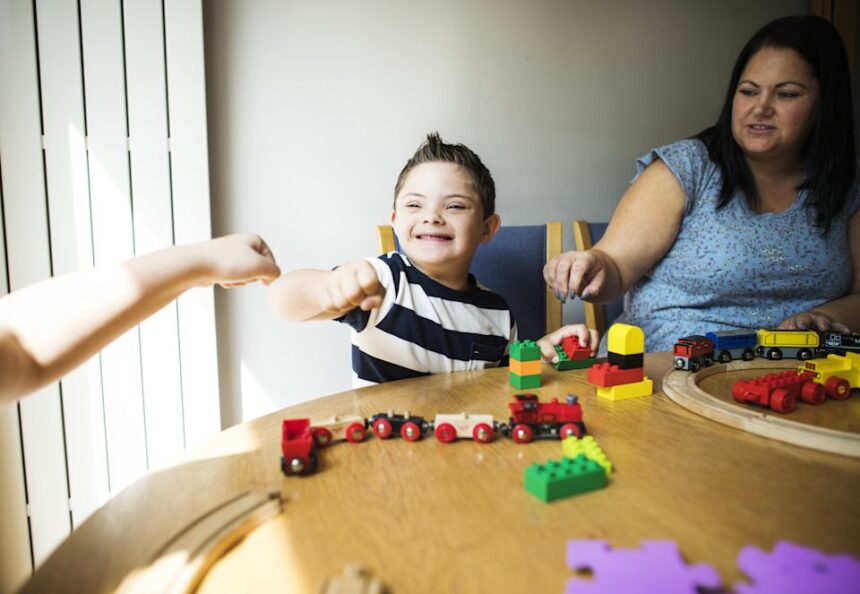
Autism spectrum disorder affects how a child communicates, behaves, and interacts with others, yet many children build strong resilience over time. Resilience is the ability to bounce back from setbacks or adapt to new challenges. Because developmental delays create unique hurdles, building this inner strength requires patience and specific strategies. Here is more information about building resilience in children with developmental delays:
Establishing Consistent Routines
Children with developmental delays typically find comfort in predictability, so a daily schedule provides a sense of security. Knowing what comes next may reduce anxiety, and it helps them navigate their day. When the world feels chaotic or overwhelming, a structured environment acts as a stabilizing anchor for their emotions. While changes will inevitably happen, preparing a child beforehand minimizes the stress associated with unexpected transitions.
Promoting Independence
Encouraging self-reliance starts with small, manageable tasks. You might ask your child to choose their clothes, or perhaps they can help set the table for dinner. These small victories build skills, as they learn they have control over aspects of their own lives.
Allowing room for failure is part of the learning process. If a child struggles to tie their shoes, give them time to try before you intervene. While it is natural to want to help immediately, stepping back teaches them the problem-solving skills they need for the future.
Recognize effort rather than just the final result. Praise the attempt to zip a coat, which helps significantly, even if they don’t quite get it right the first time. This positive reinforcement motivates them to keep trying, and it fosters a mindset of growth and perseverance.
Building Connections
Strong relationships provide a safety net for children facing developmental challenges such as autism. When a child feels understood and supported by family members, they are better equipped to handle stress. Resilience grows within these secure attachments, as children learn they do not have to face difficulties alone.
Peer interactions offer another layer of social development, and this includes:
- Play dates
- Group activities
- Shared hobbies
- School clubs
These settings allow children to practice social skills in real-time. Even if interactions are brief or awkward initially, repeated exposure helps them learn social cues.
Improving Skills
Focusing on a child’s strengths creates a solid foundation for growth. Every child has unique talents, and nurturing these abilities boosts their self-esteem significantly. When they excel in an area they enjoy, these skills over into areas where they face greater challenges. Learning to brush teeth involves many actions, so you teach holding the brush first.
Once they master one step, you add the next one until the entire sequence becomes a natural habit. Celebrate progress regardless of the pace. Some skills take months to develop, but every small improvement matters. You validate their hard work when you acknowledge these milestones, and that validation encourages them to tackle new hurdles.
Get Therapy for Autism
Therapy offers a structured environment for practicing new skills. A therapist guides the child through social scenarios or sensory challenges, and they provide feedback in a safe space. This guidance helps the child generalize skills, while they apply what they learn in therapy to their everyday life. Contact a local specialist today to discuss evaluation options or to start a therapy plan that supports your child’s unique needs.