


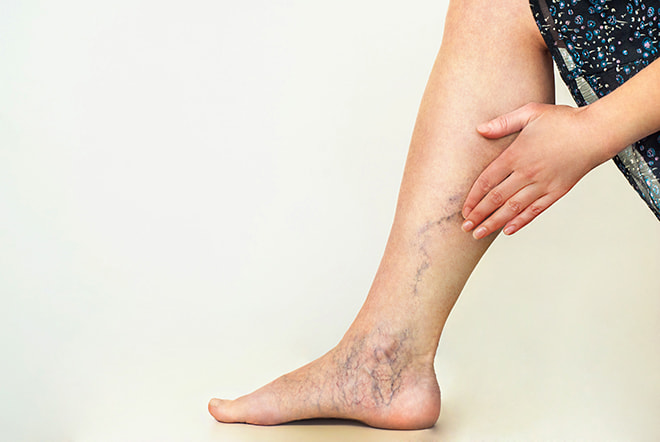
Varicose veins are dilated veins that often appear swollen and enlarged in the lower limbs. Many people associate this condition with various beliefs, but not all information is accurate. For some, these veins are primarily a cosmetic concern, but they can also indicate underlying vein issues if left unmanaged; recognizing the facts helps clarify their causes, treatments, and nature. Untreated, they can sometimes lead to more serious issues, such as ulcers or blood clots, which highlights the need for accurate information.
Understanding Varicose Veins
A common myth is that specific actions, such as crossing your legs, cause varicose veins. There is no evidence to support this claim; people can continue their daily activities without this specific worry. This action produces minimal pressure and does not directly weaken or damage the veins. The actual development involves more complex physiological processes. Veins carry blood back to the heart with the support of one-way valves that prevent backward flow; these valves help blood move upward, especially from the lower limbs against gravity. When valves lose their integrity or weaken, blood can pool within the veins, leading to increased pressure that causes the vein walls to stretch and become prominent.
This weakening of vein valves often occurs with age as tissues lose elasticity and support. Genetics also plays a part, as having a family history can raise the risk of developing the condition. Lifestyle factors contribute to the likelihood as well. Prolonged periods of standing or sitting, excess body weight, and lack of physical activity can further stress the vein walls and valves. Being overweight increases pressure on the leg veins; remaining sedentary allows blood to pool more easily. Combining hereditary predisposition with environmental and behavioral factors creates a higher risk, while proper movement, weight management, and healthy habits may lower the risk or delay their appearance.
Addressing Misconceptions
Some people believe lifestyle changes alone can eliminate varicose veins. Self-care strategies, including exercise, weight management, and leg elevation, can help prevent progression, and they are often the first approach a health care team suggests. Professional medical procedures, such as sclerotherapy or radiofrequency ablation, provide more definitive results when symptoms persist. Patients often seek treatment for discomfort such as heavy legs, throbbing, or swelling in their lower legs. Following medical guidance ensures safer outcomes for individuals experiencing symptoms because a professional can determine the best course of action.
Clarifying Lifestyle Choices
Many assume varicose veins are purely hereditary. Family history can increase the likelihood of developing them, yet other factors, such as physical activity and weight, also contribute significantly. Less than half of people with varicose veins report a family history, which indicates genetics is only part of the risk. A person’s lifestyle has a direct impact on vein health. Prolonged sitting or standing can also influence vein health, so taking breaks to move around can support circulation. Healthy habits, including avoiding smoking, reduce symptom severity and lower the risk of complications.
Find a Clinic
Distinguishing fact from fiction is helpful when discussing varicose veins. These veins involve more than just cosmetic appearance; their causes are linked to valve function, heredity, and lifestyle rather than simple actions like crossing legs. Understanding treatment options and the role of lifestyle choices empowers individuals to manage vein health effectively. Consulting a medical professional provides clarity and guidance for those experiencing symptoms, allowing for an appropriate and personalized management plan.