

Taking part in sports offers many physical and mental benefits, but injuries are a real risk for active people. Sports injuries can be minor and heal fast or serious enough to need professional care. While warming up helps prevent injuries, knowing how to spot and handle them is just as beneficial for recovery.
Sprains and Strains
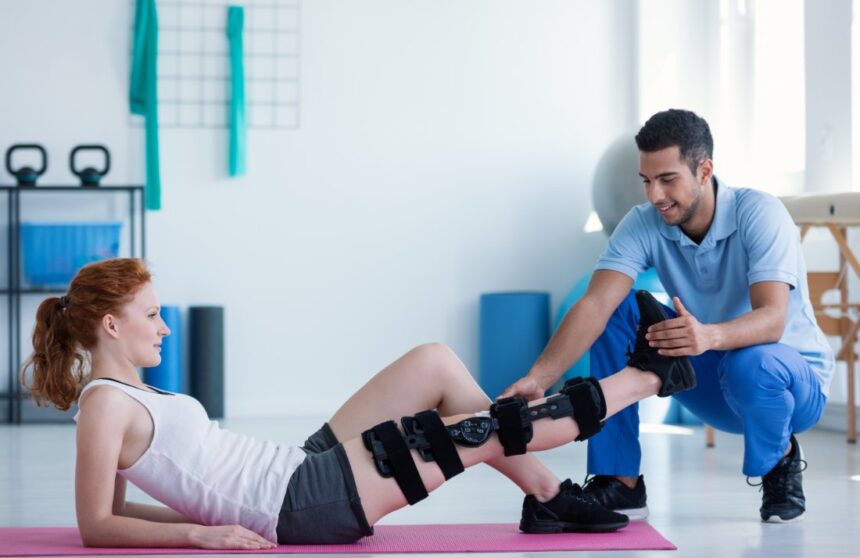
Soft-tissue sports injuries are a common reason athletes visit doctors, often presenting as sprains or strains. A sprain means ligaments are stretched or torn, while a strain affects muscles or tendons. Both cause pain, swelling, and limited movement, which can interrupt training. The first step in treatment is usually Rest, Ice, Compression, and Elevation (RICE). More serious cases might need physical therapy or surgery to fully heal and regain strength.
Fractures and Dislocations
High-impact sports or sudden falls can result in structural damage, such as bone fractures and joint dislocations. A fracture is a break in the bone, whereas a dislocation happens when bones are forced out of their normal joint position. Both of these injuries require immediate medical evaluation, and they often present with intense pain and visible deformity.
Treatment usually means keeping the injured area still with a cast or splint so it can heal properly. In serious cases, surgery may be needed to realign bones or joints. Recovering fully can involve physical therapy to rebuild strength and movement.
Tendonitis and Bursitis
Sports injuries are common in sports that require repetitive motions. These conditions can result from repetitive stress on a particular part of the body. Two of the most common overuse injuries are tendonitis and bursitis.
- Tendonitis: This is the inflammation of a tendon, a thick cord that attaches a bone to a muscle. It frequently occurs in the elbow or shoulder. Symptoms typically include a dull pain that worsens with activity and tenderness around the joint.
- Bursitis: This condition involves inflammation of the bursae, small, fluid-filled sacs that cushion the bones, tendons, and muscles near your joints.
- Treatment: The primary treatments for both tendonitis and bursitis are rest and anti-inflammatory measures to reduce swelling and pain. Adjusting athletic technique or equipment can also help prevent recurrence by allowing the inflamed tissues to heal completely.
Concussions and Head Injuries
Head trauma in contact sports can lead to serious neurological issues. Concussions, caused by a blow or jolt to the head, may result in symptoms such as headaches, dizziness, and sensitivity to light. Players must be removed immediately if a concussion is suspected to prevent further harm. Recovery requires rest and a gradual return-to-play under medical guidance.
Shin Splints and Stress Fractures
Runners and dancers often complain of lower leg pain, which can be caused by shin splints or stress fractures. These problems usually happen when training gets harder too fast without enough rest.
- Shin splints: This condition involves pain along the shinbone (tibia). Treatment includes rest, reducing-impact activities, and proper footwear to allow the inflamed tissues to heal.
- Stress fractures: These are small cracks in the bone resulting from repetitive force. Recovery requires rest and avoiding high-impact activities to allow the bone to heal. Running on softer surfaces can also help prevent this injury.
Get Care for Sports Injuries
Ignoring pain or trying to push through a sports injury can result in chronic issues that affect performance and daily life. Early diagnosis and proper treatment are beneficial for a safe and effective return to activity. If you think you have a sports injury, seek professional medical advice to find the best course of treatment.