


Missing teeth can affect more than just the appearance of a smile; they also impact oral health, speech, and the ability to chew comfortably. Fortunately, modern dentistry offers several tooth replacement options designed to restore both function and aesthetics. From removable solutions to more permanent restorations, each option provides unique benefits depending on an individual’s needs and overall dental health. Exploring the different tooth replacement options available helps patients better understand their choices and work with their dental professional to determine the most suitable solution for restoring their smile.
1. Dental Implants for Long-Term Stability
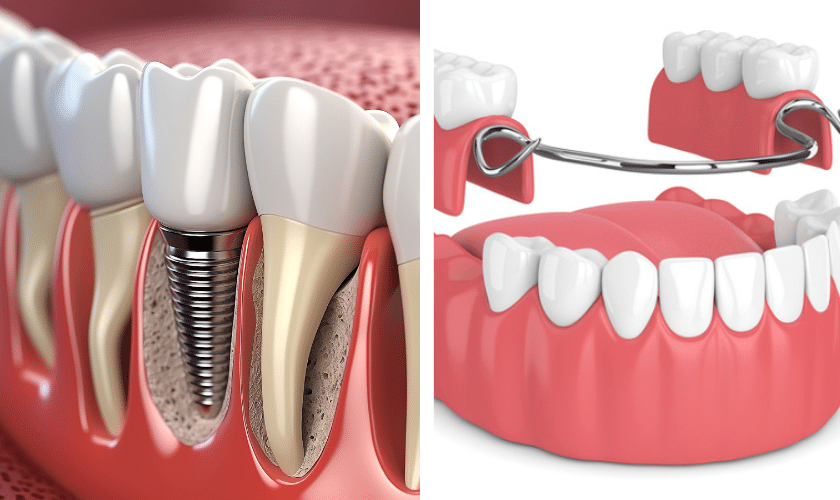
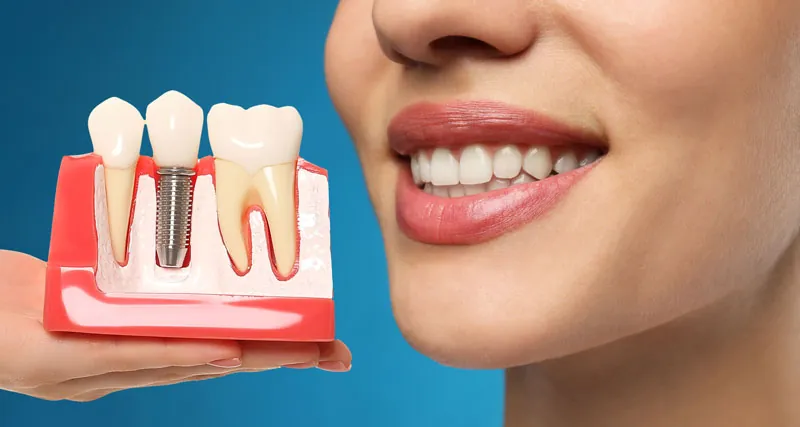
Dental implants are a durable, reliable method for tooth replacement. This process involves placing a small titanium post into your jawbone. This is done during a minor surgical procedure. Over several months, the jawbone heals around the post, creating a strong foundation for the dentist to attach a custom crown. This completes the permanent tooth replacement solution.
You must have enough bone density to support the implant. Your dentist will evaluate your jaw health using specialized imaging and may recommend a bone graft if needed. This will build up the area because implants do not rely on neighboring teeth for support. This independence helps protect your mouth’s structural integrity.
2. Dental Bridges for Tooth Replacement
A dental bridge fills the gap left by missing consecutive teeth. This method uses healthy teeth on either side to anchor the artificial tooth. The dentist prepares the adjacent teeth for crowns. They do this by removing a small amount of enamel. Then, they cement the custom bridge over these prepared teeth. This creates a seamless, complete dentition. A dental bridge restores your chewing ability and also keeps natural teeth from drifting into the empty space.
You must clean underneath the bridge daily to maintain healthy gums and prevent decay. Use a special floss threader or water flosser to remove trapped food from hard-to-reach areas. Bridges are made of strong materials such as porcelain or ceramic, to match the shade of your natural teeth. This option takes less time to complete than an implant.
3. Removable Partial and Full Dentures
Dentures are a flexible, cost-effective option for replacing teeth. They are suitable for patients missing several teeth or a full arch. Partial dentures attach to your existing teeth with clasps while full dentures rest directly on your gums. Take them out at night for cleaning, as this gives your soft gum tissues a chance to rest.
You might need time to adjust to how dentures feel. Your dentist will adjust the fit over time to help you avoid gum irritation. Caring for your dentures involves brushing and soaking them. Use a soft brush and a special cleaning solution. Dentures restore your facial profile by supporting your lips and cheeks.
4. Implant-Supported Dentures for Added Security
Some patients find that traditional dentures can slip, click, or shift. This can happen while they eat or speak. Implant-supported dentures solve this problem by anchoring the prosthetic to strategically placed dental implants. These implants snap directly into the denture base, using special attachments for a secure fit.
This method improves chewing power compared to standard dentures. The titanium implants also help stimulate the jawbone. This stimulation prevents the bone loss that follows tooth loss. The procedure requires minor surgery to place the implant posts.
Schedule Your Tooth Replacement Consultation
Choosing the right tooth replacement requires professional guidance and a thorough evaluation of your dental health. An experienced dentist will review several fundamental options, including strong implants, a custom dental bridge, and versatile dentures. Each method offers unique advantages for replacing missing teeth.
Contact a tooth replacement specialist today to schedule your comprehensive consultation. They will evaluate your current oral health, discuss your personal goals, and create a customized treatment plan tailored to your needs. Take action now to prevent further dental complications.