



Chronic knee pain is discomfort in the knee joint that lasts for three months or more, and it can result from various causes, including arthritis, old injuries, or overuse. Managing this condition involves a range of strategies, from lifestyle adjustments to surgical procedures. Understanding the available options is the first step toward finding a suitable approach for your situation. Experts often categorize these treatments into non-medication, medication, procedural, and surgical interventions.
Non-Medication Approaches
Physical therapy is a fundamental component in the management of chronic knee pain. A qualified physical therapist can develop a customized exercise program to strengthen the muscles surrounding and supporting the knee joint, such as the quadriceps and hamstrings, while improving overall flexibility. These targeted exercises help reduce the stress on the joint itself. Weight management is another factor in alleviating knee pain; shedding excess weight may lessen the load and pressure your knees have to bear with every step. Incorporating low-impact activities such as swimming, water aerobics, or cycling into your routine is recommended to maintain an active lifestyle without exacerbating joint pain. Using assistive devices such as knee braces or canes may provide additional stability and help offload pressure from the affected knee, making daily activities more manageable.
Medication Interventions
Over-the-counter pain relievers, such as nonsteroidal anti-inflammatory drugs (NSAIDs), are often used to manage mild to moderate knee pain. These medications can help reduce both pain and inflammation, and for more persistent pain, a healthcare provider might suggest prescription-strength NSAIDs or other types of pain medication. Discuss these options with a professional to understand the potential benefits and side effects associated with long-term use.
Minimally Invasive Procedures
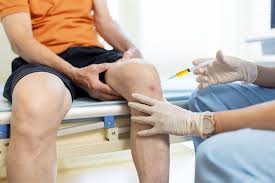
For individuals who do not find relief with conservative methods, minimally invasive procedures may be an option. Healthcare professionals can administer corticosteroid injections directly into the knee joint to provide short-term relief from inflammation and pain. Another option is viscosupplementation, which involves injecting a gel-like fluid called hyaluronic acid into the knee. This fluid acts as a lubricant, helping the bones move more smoothly, though its effectiveness can vary. These procedures are typically performed in an outpatient setting, and they usually allow for a quick recovery.
Surgical Treatment
Surgery is a possibility when knee pain is severe and significantly impacts daily life. Arthroscopy is a procedure where a surgeon uses small incisions and a tiny camera to diagnose and treat joint problems. For extensive damage, surgeons may recommend a partial or total knee replacement. During a knee replacement, the damaged cartilage and bone are removed, and they are replaced with artificial components made of metal and plastic. This surgery is a major undertaking, so it requires a comprehensive rehabilitation plan afterward.
Ask About Knee Pain Today
Living with chronic knee pain can be challenging, but numerous treatment paths are available. The most appropriate plan depends on the underlying cause of the pain, its severity, and your overall health. Discussing your symptoms and concerns with a healthcare provider is recommended. They can help you navigate the options and develop a personalized management strategy to improve your knee function and quality of life.