


Regular eye exams are one part of preventive health care, allowing an eye doctor to catch potential issues before they escalate into serious conditions. Many patients arrive at their appointments unsure of what to discuss, leaving valuable information on the table; preparing a list of thoughtful inquiries can help you maximize the time spent with your specialist. By asking the right questions, you gain a clearer understanding of your vision health and the steps needed to maintain it.
Do I Need Glaucoma Screenings?
Glaucoma is a condition that damages the optic nerve, and asking your eye doctor about preventive screening can help you take steps to maintain your health. High eye pressure often drives this damage. Because vision loss from glaucoma is irreversible, early detection may help your provider halt the progression of the disease. Regular exams may help you avoid vision loss.
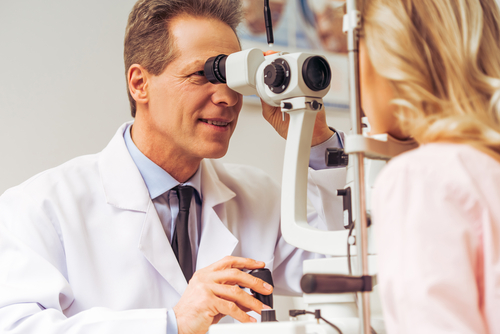
Comprehensive eye exams that detect pressure in the eye are the only way to detect glaucoma in its early stages. During these exams, your doctor measures your eye pressure and inspects your optic nerve for signs of damage. If you have a family history of the disease, you face a higher risk and need more frequent screenings; other risk factors for glaucoma include being over age 40 and having pre-existing near-sightedness or far-sightedness.
You can adopt several lifestyle habits to support overall eye health. Regular aerobic exercise may have a protective effect on eye health, and smoking may have adverse effects on eye health, according to some studies. Additionally, wearing eye protection during sports or home improvement projects prevents serious injuries that could lead to traumatic secondary glaucoma.
When Should I Schedule Appointments?
Determining how often to see a specialist depends largely on your age and current vision status, but your health history also plays a role in scheduling. For healthy adults with no vision problems, an exam every five to ten years in your 20s and 30s is often sufficient. However, this frequency increases as you age.
Here are the recommendations for how often to schedule appointments based on age:
- Ages 20–39: Every 2-5 years
- Ages 40–65: Every 2–4 years
- Ages 65+: Every 1–2 years
Some individuals wear contact lenses or glasses, and these people typically need annual exams to keep prescriptions current. If you have health conditions like diabetes or high blood pressure, your doctor will likely recommend more frequent visits. These systemic conditions can affect the blood vessels in your eyes, necessitating closer monitoring.
Can I Get LASIK Surgery?
Patients may inquire about LASIK surgery to reduce their dependence on corrective lenses. This procedure uses a laser to reshape the cornea, which improves how light focuses on the retina. To determine if you are a good candidate, your doctor will likely evaluate the thickness of your cornea; they also evaluate the stability of your vision prescription.
Ideal candidates generally meet specific criteria:
- At least 18 years old
- Stable vision prescription for at least one year
- Healthy corneas with adequate thickness
- No active eye diseases or infections
The surgery itself is relatively quick, and it usually takes less than 30 minutes for both eyes. After the surgeon creates a thin flap in the cornea, they lift it and reshape the underlying tissue with a laser. Recovery is typically fast, with many patients noticing improved vision within days.
What Are Eye Allergies?
Eye allergies, or allergic conjunctivitis, occur when the eyes react to irritants like pollen, mold, or pet dander. Symptoms often include redness, itching, and watering, and these symptoms can significantly disrupt daily activities. Identifying and avoiding triggers is the primary strategy for relief.
Over-the-counter eye drops can help alleviate mild symptoms. Artificial tears wash allergens from the eye, and antihistamine drops reduce itching. If these remedies fail to provide relief, your doctor might prescribe stronger medications, such as corticosteroids or mast cell stabilizers.
Keeping windows closed during high pollen seasons reduces exposure to outdoor allergens. Washing your hands after petting animals helps minimize the transfer of allergens, and washing your hands can help avoid irritants. For those who wear contact lenses, switching to daily disposables can prevent allergen buildup on the lens surface.
Find an Eye Doctor Today
Regular communication with your vision specialist enables you to monitor and care for your eye health; an eye doctor may assess risk factors for serious diseases like glaucoma. They can also help you with acute, treatable symptoms of conditions like eye allergies. If you want to learn more about eye health and prevention, consult an ophthalmologist near you.