



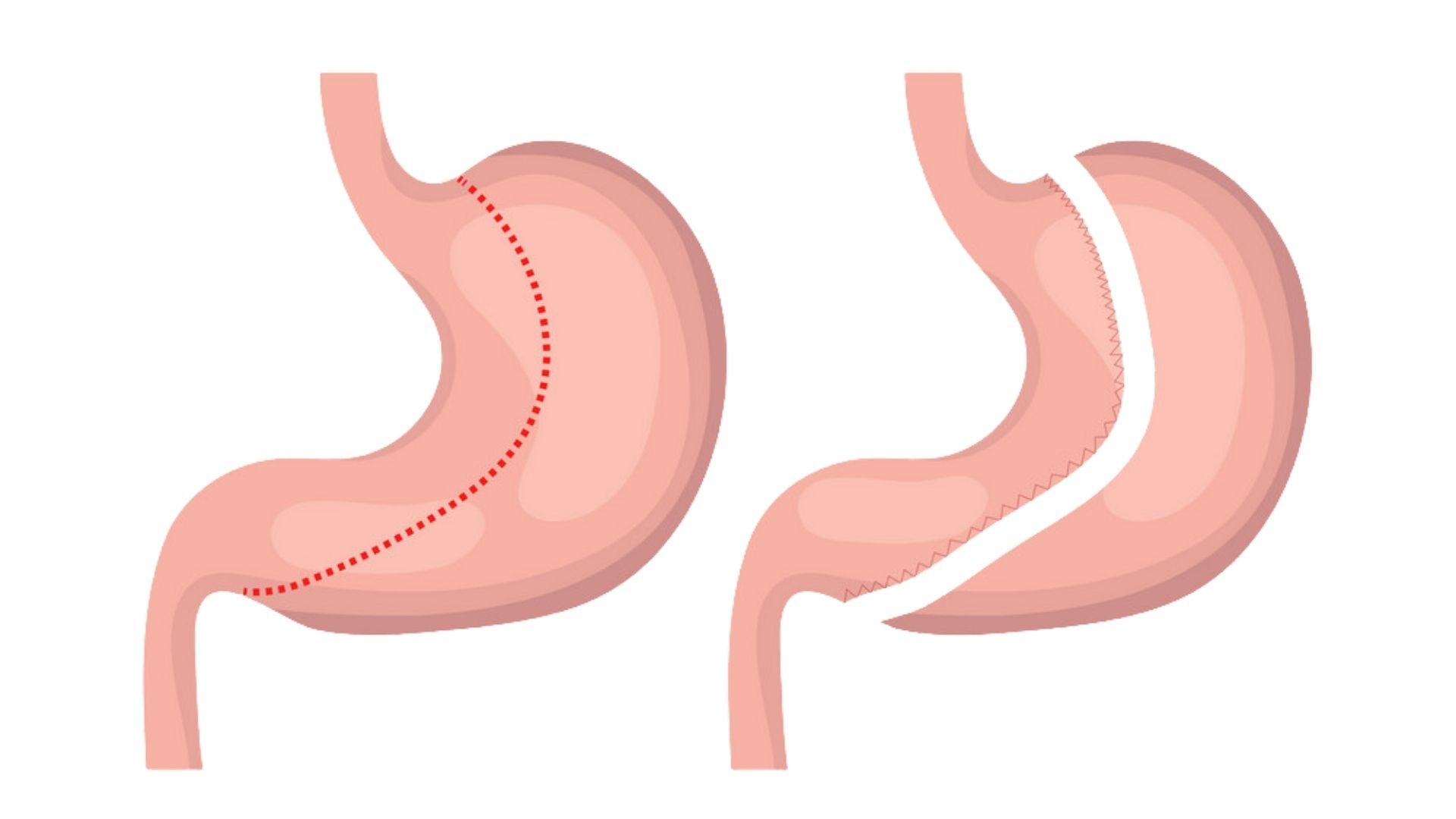
Gastric sleeve surgery is a weight loss procedure that reduces the size of the stomach. The procedure helps to limit food intake and promote long-term weight management. Beyond its physical effects, the surgery also influences key hormones that regulate hunger, metabolism, and blood sugar levels. These hormonal changes play a significant role in how your body adapts after surgery and maintains weight loss. Here’s how gastric sleeve surgery affects hormonal balance and overall health:
Overview of Gastric Sleeve Surgery
A gastric sleeve, also known as a sleeve gastrectomy, is a bariatric procedure designed to facilitate weight loss. During the operation, a surgeon removes a significant portion of the stomach, leaving behind a smaller, banana-shaped section, or “sleeve.” This stomach sleeve surgery is performed using minimally invasive laparoscopic techniques, which involve small incisions and specialized instruments.
A smaller stomach physically limits the amount of food a person can consume at once. This promotes smaller portion sizes and lowers calorie intake. The procedure fundamentally alters the anatomy of the digestive system. It also triggers hormonal changes that contribute to weight loss and improved metabolic health.
Effects on Appetite-regulating Hormones
A key aspect of gastric sleeve surgery is its impact on appetite-regulating hormones. The stomach produces several hormones that signal hunger and satiety to the brain, and altering the stomach’s structure directly affects their production. One of the primary hormones affected is ghrelin, often called the “hunger hormone.” Since a large part of the stomach responsible for producing ghrelin is removed during the procedure, its levels in the bloodstream decrease significantly. This reduction leads to a noticeable decrease in appetite, making it easier for patients to adhere to a low-calorie diet without feeling constant hunger.
Benefits Beyond Weight Loss
The hormonal changes resulting from a sleeve gastrectomy extend beyond simple appetite control. Many patients experience improvements in metabolic conditions, which are often linked to hormonal imbalances associated with obesity. For instance, the procedure can improve insulin sensitivity. Improved insulin function is particularly beneficial for individuals with type 2 diabetes. Many patients find that their blood sugar levels stabilize after surgery, sometimes reducing or even eliminating their need for diabetes medication.
Maintenance of Hormonal Health
Post-surgery, adopting a healthy lifestyle is fundamental to sustaining hormonal balance and long-term weight loss. Patients receive specific dietary guidelines, following a phased approach that starts with liquids and gradually progresses to solid foods. This diet is designed to support healing and adjust to the stomach’s new, smaller capacity.
To maintain hormonal health and achieve the best outcomes, patients should follow all post-operative dietary and lifestyle recommendations. They should also engage in regular physical activity as advised by their healthcare team. Consistent follow-up care with the bariatric team is also a key part of the post-operative process. Regular monitoring helps track progress, manage nutritional deficiencies, and support the patient’s long-term success.
Schedule Your Gastric Sleeve Consultation Today
Gastric sleeve surgery helps to achieve significant weight loss, largely through its effects on hormonal balance. Reducing stomach size and altering key appetite-regulating hormones helps patients control their hunger and improve their metabolic health. Contact a trusted bariatric surgeon near you to schedule your consultation and find out if stomach sleeve surgery is the right path for you.