



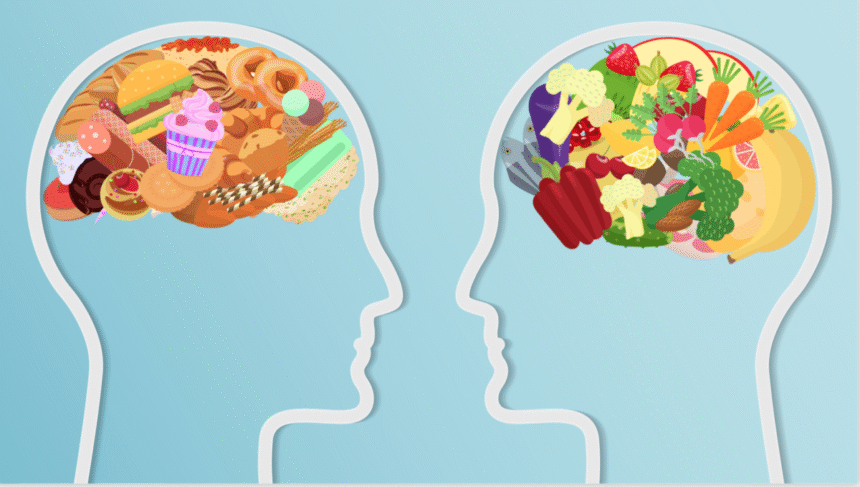
Depression is a serious mood disorder that causes persistent feelings of sadness, and it affects how a person thinks, feels, and behaves. Various physical and psychological factors trigger this condition and these include biological differences, altered brain chemistry, and inherited genetic traits. Comprehensive medical intervention remains the primary treatment path. Ongoing clinical research, though, shows that what you eat can also help decrease symptoms of depression.
Understanding Causes and Symptoms
Researchers believe that depression stems from a complex combination of genetic, biological, environmental, and psychological factors. The condition manifests differently in every patient, so recognizing the broad spectrum of warning signs may help you know when to seek out professional medical intervention. Depression is characterized by profound or prolonged symptoms.
Common signs include:
- Persistent feelings of sadness or emptiness
- Significant loss of interest in hobbies and activities
- Noticeable changes in normal appetite and body weight
- Severe sleep disturbances or extreme fatigue
- Unexplained physical problems like back pain or headaches
Identifying Vitamins and Nutrients
The food you consume provides energy for your brain, and certain dietary nutrients may directly support ongoing cognitive health. Omega-3 fatty acids contribute to overall brain health by helping the brain with learning and memory. Because the brain requires constant energy, providing high-quality fuel may improve its daily function.
Foods that help you maintain a stable blood sugar level may have an effect on mental health symptoms. A diet that is balanced is helpful for stabilizing blood sugar levels daily, and this means consuming a variety of foods with enough fiber, protein, and healthy fats. Eating more whole, unrefined foods may also be beneficial.
Exploring Mediterranean Diet and Health
The traditional Mediterranean diet emphasizes whole plant-based foods, and it incorporates healthy fats from natural sources like olive oil and nuts. This structured eating pattern heavily limits highly processed meats and refined artificial sugars. Because the diet focuses on plant-based foods and healthy fats, it has also been shown to be healthy for your heart.
Medical professionals recommend this dietary approach for its proven mental health benefits. The high concentration of natural nutrients actively supports brain health, and the proven anti-inflammatory properties actively reduce systemic physical stress. When you eat whole grains and lean proteins, it stabilizes your blood sugar levels, which can help prevent some types of mood swings.
Reviewing Treatments and Options
Doctors treat mood disorders with multiple integrated approaches, and they carefully tailor the specific plan to individual patient needs. Professional psychotherapy helps patients develop effective coping strategies, while prescription medications actively balance your brain chemicals. Medical providers might prescribe targeted antidepressants, or they may recommend structured cognitive behavioral therapy sessions to address thought patterns. Mild cases may respond better to basic lifestyle changes.
Learn More About Depression Treatment
Proper daily nutrition provides a strong foundation for mental health, and it supports overall cognitive function throughout your life. A diet rich in beneficial nutrients perfectly complements professional medical care. If you want to learn more about how depression is treated, consult a mental health provider near you.