



Eye health needs change throughout life, and ophthalmologists adapt their approach to address the specific challenges each age group faces. From childhood vision development to age-related conditions in older adults, these medical professionals provide specialized care tailored to different stages of life. Understanding how ophthalmologists work can help you recognize when to seek their expertise and what to expect during your visit.
What Are Ophthalmologists?
Ophthalmologists are medical doctors who specialize in eye and vision care. Unlike optometrists, ophthalmologists can perform surgery. These physicians diagnose and treat a wide range of eye conditions affecting patients of all ages, and their medical training allows them to manage both routine eye care and complex procedures.
What Services Do They Provide?
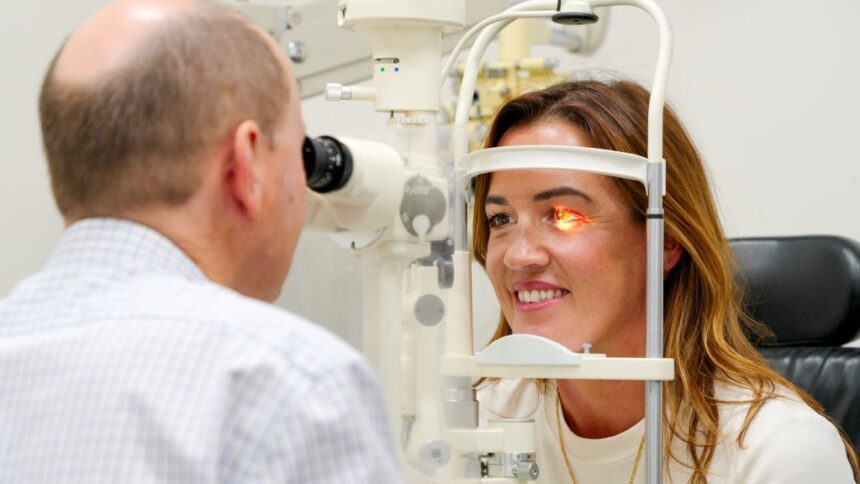
Ophthalmologists offer comprehensive eye examinations that assess visual acuity, eye pressure, and overall eye health. They prescribe medications for various eye conditions, and they perform diagnostic tests to pinpoint the issue. These services help identify problems early and prevent vision loss.
Surgical procedures form a significant part of ophthalmology practice. Cataract surgery, glaucoma surgery, and retinal procedures are among the standard operations ophthalmologists perform, and they also provide emergency care for eye injuries and infections. Post-operative care and follow-up appointments help patients achieve their desired outcomes.
What Conditions Do They Treat?
Ophthalmologists manage a wide variety of eye conditions across all age groups. Cataracts, which cloud the eye’s natural lens, are typically treated with surgical removal and lens replacement. Glaucoma, a group of diseases that damage the optic nerve, requires ongoing management to prevent vision loss. Diabetic retinopathy, macular degeneration, and retinal detachment are serious conditions that ophthalmologists treat with medications, laser therapy, or surgery, and early detection helps improve treatment outcomes.
What Is Eye Health?
Eye health refers to the proper function and condition of all structures within and around the eye. This includes clear vision, appropriate eye pressure, healthy retinas and optic nerves, and proper eye movement and alignment. Good eye health enables people to perform daily activities without vision-related limitations, and ophthalmologists help maintain eye health.
Maintaining eye health involves regular examinations, protective measures against injury and UV exposure, and management of underlying health conditions. Nutrition, lifestyle factors, and genetics all play roles in eye health, and ophthalmologists assess these factors when developing treatment plans. Prevention and early intervention can preserve vision throughout life.
How Is Eye Health Approached?
Ophthalmologists tailor their approach based on the unique needs of each age group. Infants and young children may undergo vision screening to detect congenital conditions, amblyopia, and strabismus, as these can affect visual development if left untreated. Early intervention during childhood helps prevent permanent vision problems.
Adults typically have stable vision but may develop computer vision syndrome or contact lens-related issues. Ophthalmologists address these problems with appropriate prescriptions and education about digital eye strain, and they screen for early signs of glaucoma and other conditions that can begin in early adulthood. Pregnant women may experience temporary vision changes that require monitoring.
Older adults require frequent monitoring for age-related conditions like cataracts and macular degeneration. Ophthalmologists perform cataract surgery when vision impairment affects quality of life, and they manage chronic conditions like glaucoma with medications and procedures. Vision rehabilitation services help seniors maintain independence despite vision changes.
Improve Your Eye Health
Regular eye examinations with an ophthalmologist can detect problems before symptoms appear and prevent vision loss through timely treatment. Different life stages bring distinct eye health challenges, and ophthalmologists have the training to address them. Schedule an eye examination appropriate for your age group to maintain eye health throughout your life.