


Scarring is a natural part of the body’s healing process, but prominent or painful scars can impact your daily life. Scar revision refers to a group of procedures designed to make a scar less visible so it blends in with the surrounding skin tone and texture. While these techniques cannot completely erase a scar, they aim to significantly improve its appearance. The process works by replacing damaged tissue with new, healthier skin or by altering the way a scar sits on your body. Understanding these methods can help you learn more about your treatment options.
Topical Treatments and Injectables
For many people, non-invasive options are the first step in managing the appearance of scars. These treatments do not require any surgical procedures, and they can often be administered at home. Topical treatments, such as gels, tapes, or external compression bandages, are common starting points that can help with both wound closure and long-term healing. These products are designed to help reduce the skin’s tendency to discolor. Besides improving skin tone, they may also help soften the scar’s surface and texture, making it less noticeable.
Injectable treatments offer another pathway for scar revision without surgical incisions. Dermal fillers can be used to plump up depressed or concave scars, such as those left by acne. This method helps raise the indented tissue to the level of the surrounding skin. Steroid injections may be used to reduce the size of raised scars, like keloids or hypertrophic scars; these injections work by breaking down the excess collagen bonds that make the scar tough and elevated.
Skin Resurfacing
Skin resurfacing techniques are often recommended to address surface irregularities or discoloration. These methods work by removing the top layers of skin, allowing new, smoother skin to grow in their place. Dermabrasion is a mechanical polishing of the skin, and a dermatologist or surgeon uses a motorized instrument to gently remove the upper layers of the scar. As the skin heals, the surface appears smoother and fresher.
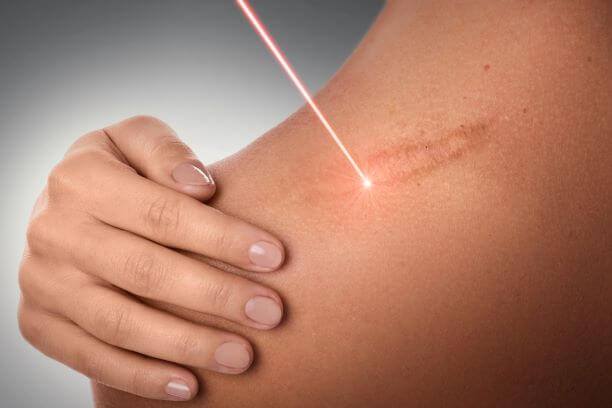
Laser therapy is another common resurfacing option, and this technique uses focused light to treat damaged skin. Some lasers remove the top layer of skin, while others target collagen in the underlying layers without removing the surface. This encourages the body to produce new collagen. New collagen improves the texture and elasticity of the scar tissue. Chemical peels use a chemical solution to remove the top layer of skin, revealing a smoother layer underneath.
Scar Revision Surgery
Sometimes, a surgical approach is necessary for deeper or more complex scars. Scar revision surgery involves removing the old scar and re-closing the wound with greater precision. This allows the new scar to heal in a thinner, less noticeable line. In some cases, the surgeon may use a technique called Z-plasty, and this involves making a Z-shaped incision that helps reposition the scar so it follows the natural lines and creases of your skin. This makes the scar much harder to see once it heals. In areas with extensive scar tissue, skin grafts or flaps may be used. A skin graft involves taking healthy skin from another area of your body and moving it to the scarred site. These surgical options are typically reserved for scars that limit movement or are cosmetically significant.
Talk to a Dermatologist Today
Every scar is unique, and the right treatment depends on the type of scar, its location, and your skin type. A qualified dermatologist or plastic surgeon can evaluate your specific situation and recommend the most effective plan. They will guide you through the risks and benefits of each procedure. Schedule a consultation today to discuss how scar revision techniques can help you.