


Spine surgery recovery aims to reduce complications, improve comfort, and help patients return to daily activities more efficiently. Modern recovery plans emphasize individualized rehabilitation and coordinated follow-up care to support healing while protecting the surgical site. Here is an overview of innovative approaches to spinal surgery recovery:
Reducing Pain
Effective pain management is fundamental to recovery after spine surgery. New approaches minimize discomfort while allowing patients to begin movement and rehabilitation earlier. Modern pain control strategies include:
- Multimodal analgesia: Combines different medication types to target pain through multiple pathways, reducing the need for high-dose opioids
- Regional anesthesia techniques: Delivers targeted pain relief directly to the surgical site through epidural injections or nerve blocks
- Non-opioid medications: Incorporates anti-inflammatory drugs, muscle relaxants, and nerve pain medications to manage discomfort with fewer side effects
- Patient-controlled analgesia (PCA): Allows patients to self-administer pain medication within safe limits for better control
Better pain management enables patients to participate in physical therapy sooner.
Rebuilding Movement Safely
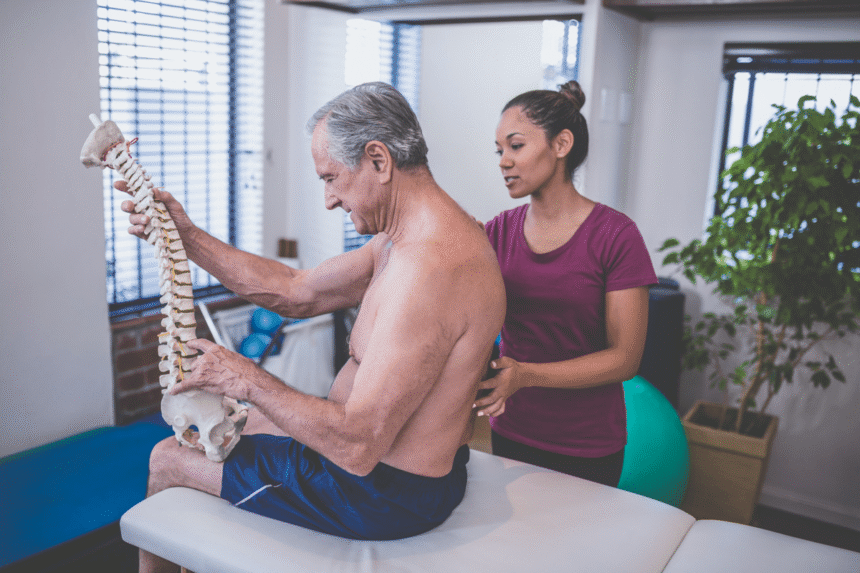
Physical therapy after spine surgery now begins much earlier than in the past. Therapists use specialized techniques to help patients move safely while they protect the surgical site. Enhanced rehabilitation programs focus on gradual progression through carefully designed exercises, and they help patients build strength and mobility step by step. Therapists work closely with surgeons to understand each patient’s specific procedure and limitations; they create customized exercise plans that address individual needs and recovery goals. Early mobilization reduces the risk of complications and improves overall healing outcomes.
Monitoring Recovery Progress
Digital health tools have changed how doctors monitor patient progress after spine surgery. Wearable devices monitor activity levels, sleep patterns, and pain scores throughout recovery, and this data helps medical teams identify potential problems early and adjust treatment plans as needed. Telemedicine allows patients to connect with their healthcare providers from home. Virtual check-ins reduce the need for in-person visits while making sure patients receive proper guidance. Doctors can review progress, answer questions, and modify rehabilitation programs through video consultations.
Mobile apps provide educational resources and exercise demonstrations for patients. These tools send reminders for medication schedules, physical therapy exercises, and follow-up appointments so patients stay on track. Patients can log symptoms through secure messaging platforms, and they can communicate concerns directly with their care team.
Optimizing Healing
Recovery from spine surgery extends beyond pain management and physical therapy. Several lifestyle factors play a key role in healing outcomes. Here are some of them:
- Nutrition support: Protein-rich foods, vitamins, and minerals support tissue repair and bone healing
- Sleep hygiene: Quality rest allows the body to focus energy on healing processes and reduces inflammation
- Smoking cessation: Eliminating tobacco use improves blood flow to the surgical site and reduces infection risk
- Stress management: Relaxation techniques like deep breathing or meditation help control pain perception and promote healing
- Gradual activity progression: Following prescribed activity restrictions prevents surgical site damage while building strength
Patients may work with dietitians to develop meal plans that support bone health and immune function.
Schedule Your Spine Surgery Appointment
Modern spine surgery recovery methods focus on comprehensive care that addresses physical, technological, and lifestyle factors. These innovative approaches help patients heal faster, experience less pain, and return to normal activities sooner. Contact a qualified neurosurgeon near you to schedule your appointment and learn more about spinal surgery and recovery options.