



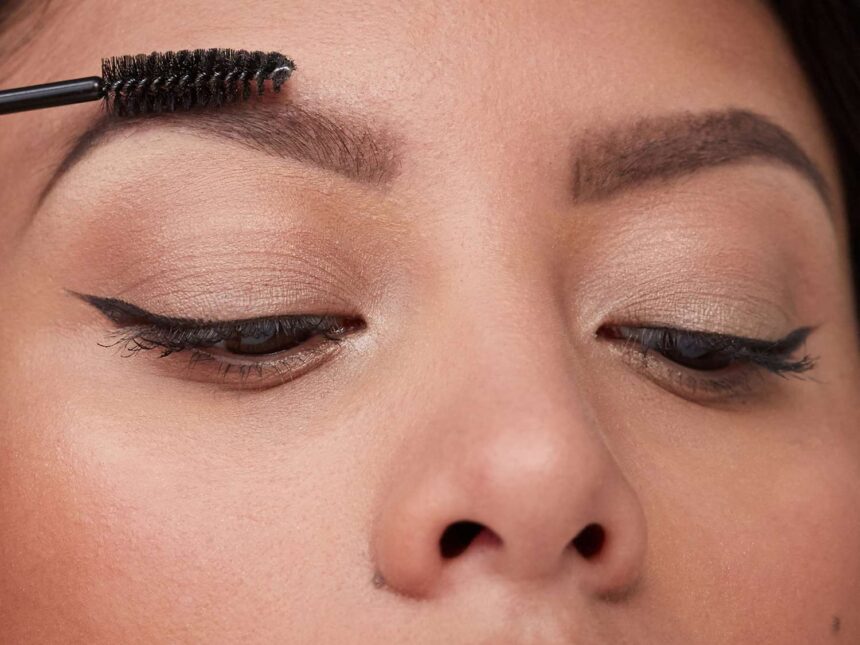
Traditional makeup methods offer flexibility but require daily application and skill to achieve consistent results. Semi-permanent cosmetic solutions have gained prominence as a viable alternative for those seeking long-term enhancement. Understanding the distinctions between temporary makeup application and semi-permanent procedures, like microblading, allows individuals to explore their cosmetic options.
What Is Microblading?
Microblading is a cosmetic tattooing technique specifically designed for the eyebrows. Unlike traditional body art, which uses a machine to deposit ink deep into the dermis, microblading utilizes a handheld tool equipped with fine needles. The practitioner uses this tool to create tiny, hair-like incisions in the upper layers of the skin, where pigment is then deposited.
A primary goal of this technique is realism. The strokes mimic the natural growth pattern and thickness of eyebrow hair. This results in a fuller, more defined brow that maintains a natural appearance. While traditional eyebrow tattoos often appear as a solid block of color, microblading can create texture and depth. The pigment used is also distinct; it is designed to fade gradually over time, typically lasting between one and two years. This semi-permanent nature allows for adjustments as facial features and trends change over time.
What Is the Process?
The procedure involves several meticulous steps to achieve the desired outcome. A standard session begins with a consultation where the practitioner analyzes the client’s facial structure and discusses their aesthetic goals. This phase includes measuring and mapping the brow shape, achieving symmetry tailored to the individual’s face.
Once the shape is agreed upon, a topical numbing cream may be applied to the brow area to minimize discomfort. The practitioner then begins the blading process, carefully etching each hair stroke into the skin. This requires precision and a steady hand, as pigment is applied throughout the process and allowed to settle into the skin.
Following the procedure, the eyebrows go through a healing period. The color initially appears darker and bolder than the final result. As the skin heals, the pigment softens. Scabbing and flaking are normal parts of the recovery process, which generally takes a few weeks. A follow-up appointment is typically scheduled after the eyebrows have healed to touch up any areas where the pigment may not have taken fully.
What Are the Benefits?
Choosing microblading over traditional makeup offers several advantages for many individuals, depending on their cosmetic goals. Durability is a significant factor. Traditional makeup is susceptible to smudging, sweating, or washing off throughout the day, while semi-permanent brows remain intact during exercise, swimming, and other physical activities.
For individuals with hair loss conditions such as alopecia, or for those who have overplucked their brows in the past, microblading offers a solution that restores the appearance of natural hair. It can reconstruct the entire brow shape rather than simply coloring the skin underneath existing hair. The realistic texture created by the individual strokes provides a level of detail that is difficult to replicate with pencils or powders alone.
Seek Professional Beauty Services
Selecting a qualified practitioner is the primary factor in achieving a safe and satisfactory result. While traditional makeup carries low risk and allows for immediate correction, semi-permanent procedures require a commitment to the healing process and careful selection of a provider. Proper research protects your health and helps secure an aesthetic outcome that enhances your natural features.