


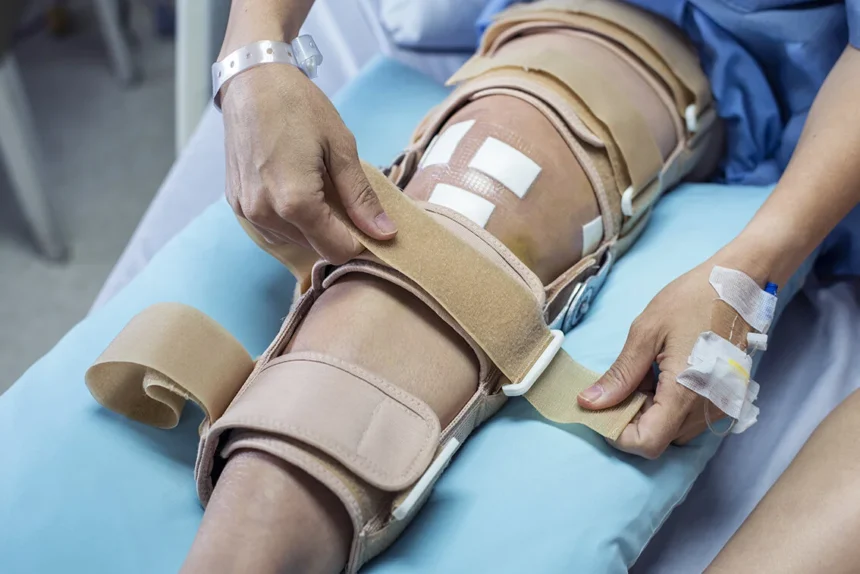
Knee arthroscopy is a surgical technique that helps doctors look inside the knee joint without a large incision. A surgeon inserts a small camera through a tiny cut, and this tool guides them throughout the procedure. While the surgery is minimally invasive, post-operative care at home will support your recovery after you leave the hospital. Here is more information on post-operative care after knee arthroscopy:
Find a Driver
Assistance is needed after your discharge from the surgery center, so do not try to drive yourself home. Anesthesia affects your reflexes and how you think, and this makes driving unsafe. Arrange for a family member or a friend to pick you up and help you reach home safely, as your well-being matters after the procedure.
Follow Personalized Instructions
Your surgeon typically prepares a recovery plan just for you, which contains details about wound care, medications, and signs to watch for. Before leaving the hospital, take the time to read all the written instructions, and keep them where you can access them easily. If you are confused about bandages or dressings, ask the nursing staff questions before you head home.
Some people need crutches to help them get around the house. These assistive devices may be needed for only a few days; others need them for several weeks. While you might feel able to walk without help, putting weight on your leg too early leads to slower healing and extra discomfort.
Physical therapy may begin soon after the knee arthroscopy finishes, and your recovery process benefits from following the therapist’s directions. A trained therapist will guide you through gentle exercises to restore your knee’s range of motion and strength. You may notice progress at each therapy session, and sticking to your prescribed schedule can improve your outcomes.
Apply Ice
Swelling around the knee is a typical response after surgery, so you may notice the area feels puffy or warm. Manage swelling, and apply a cold pack to the affected area while keeping the knee elevated when possible. To prevent frostbite, wrap the ice pack in a thin towel instead of placing it directly on your skin.
A simple routine helps you use ice packs effectively:
- Apply ice for 20 minutes at a time.
- Wait at least an hour between sessions.
- Keep the leg elevated during use.
- Check your skin frequently for irritation.
Stick to this list to help reduce swelling and encourage comfort after your procedure.
Take Pain Relievers
Pain relief supports your ability to rest and participate in recovery activities. After surgery, your doctor may prescribe medication to help you stay comfortable and manage pain. Always take the medicine as directed on the packaging or by your provider, and never double-dose.
Once prescription pain medicines are no longer required, many people turn to over-the-counter options. Acetaminophen or ibuprofen are typically used for mild discomfort, but talk to your doctor before combining medications. With proper pain management, you remain able to move and complete daily activities.
Schedule Knee Arthroscopy Today
Living with knee pain can disrupt your daily life and may make simple activities feel difficult. A medical team can review your concerns, and they can determine whether arthroscopy suits your needs. When you need knee surgery, reach out now to schedule a consultation and learn what next steps may help you regain comfort and mobility.