



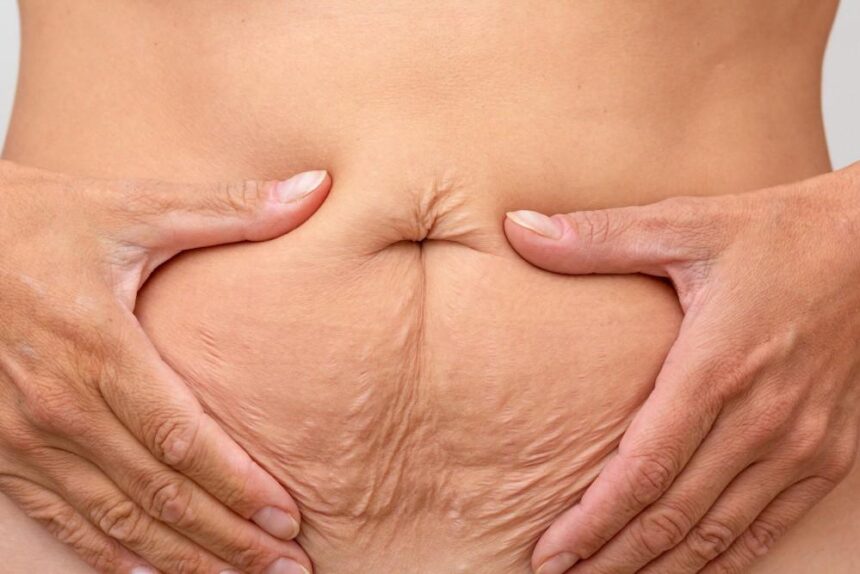
Undergoing an abdominoplasty involves significant physical changes, with the recovery phase playing a major role in the final outcome. Patients must prepare for a period of reduced activity, as the body requires time to heal the incisions and internal repairs. Here is more information on tummy tucks and practical strategies for managing the weeks following the operation:
What Is a Tummy Tuck?
Abdominoplasty is a surgical procedure that removes excess skin and fat from the abdomen. It often involves tightening the abdominal muscles, which creates a firmer, smoother abdominal profile. The surgery targets issues that exercise cannot fix, so it serves as a reconstructive option rather than a weight-loss method.
There are different types of the procedure, ranging from a mini tummy tuck to a full abdominoplasty. A mini tuck focuses on the area below the belly button, but a full tuck addresses the entire abdomen. Surgeons select the appropriate technique based on the patient’s anatomy, and they discuss these options during the pre-operative consultation. This customization allows the surgeon to tailor the results to the patient’s specific needs.
Who Does It Help?
This procedure benefits individuals who have loose tissues or weakened muscles that do not respond to diet or exercise. Significant weight fluctuations may leave behind excess skin, so patients who have lost a large amount of weight are common candidates. The surgery removes this redundant tissue, and it can alleviate rashes or infections that occur in skin folds. It provides a solution for those seeking functional and aesthetic improvements in the abdominal region.
What Does the Process Entail?
The operation generally takes place under general anesthesia, so the patient remains unconscious and pain-free. The surgeon makes an incision above the pubic mound, and the length depends on the amount of skin being removed. They lift the skin to repair the underlying muscles, then pull it down and suture it into position. This process creates a tighter and flatter abdominal wall. The surgery typically lasts between one and five hours, depending on complexity.
What Is Recovery Like?
The initial phase of recovery involves rest and limited movement to protect the incisions. Patients may experience swelling and bruising in the treated area, but medication helps manage these symptoms effectively. A compression garment may be worn for several weeks to minimize swelling and support healing tissues. Drains are usually removed once fluid output decreases.
Sleeping in a reclined position may help reduce tension on the incision. Placing pillows under the knees provides additional support. Patients may return to non-strenuous work within a few weeks, but full activity levels take longer to resume. The scars will appear prominent at first but fade gradually over time.
How Can You Improve Recovery?
Maintaining a healthy diet promotes tissue repair, so patients should consume foods rich in protein and vitamins. Hydration helps flush out anesthesia and metabolic waste. Avoiding alcohol and nicotine is necessary, as these substances impair circulation and increase the risk of complications. Staying well-nourished supports the immune system during the healing process.
Following the surgeon’s instructions for wound care helps prevent infection and promotes better scarring. Gentle movement promotes blood flow, but patients must avoid heavy lifting or vigorous exercise for a few weeks. Attending all follow-up appointments allows the surgeon to monitor progress and address any questions that arise during healing.
Learn More About Post-operative Care
Successful results depend on adherence to post-operative guidelines during the healing process. Understanding the stages of recovery helps patients plan effectively, thereby aiding their post-operative care. Contact a qualified plastic surgeon to discuss your specific needs or to learn more about recovery.