


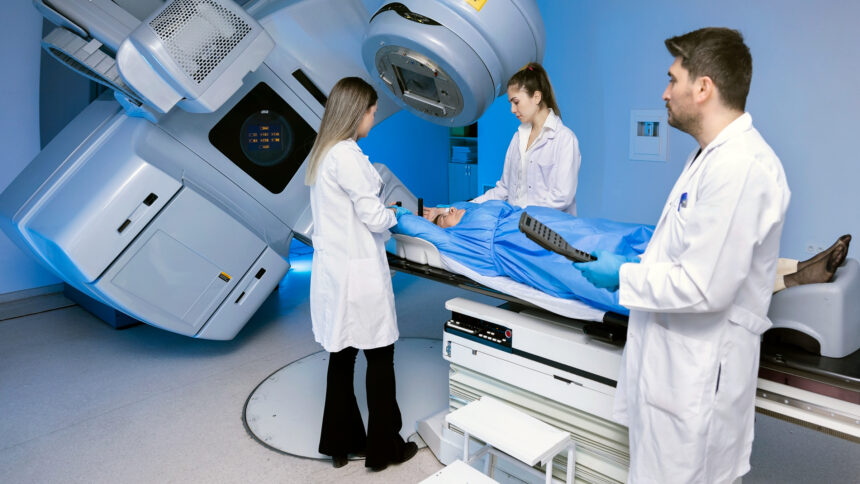
Doctors use various methods to treat cancer, and radiation therapy remains a primary option for many patients. This treatment uses high doses of radiation to kill cancer cells and shrink tumors. Medical teams often combine radiation with other treatments to improve outcomes. Understanding how these different therapies work together helps patients make informed decisions about their care.
Chemotherapy
Chemotherapy uses drugs to destroy fast-growing cancer cells in the body. These powerful medications circulate through the bloodstream to reach cancer cells that may have spread beyond the original tumor site. Doctors often administer chemotherapy in cycles, which gives the body time to recover between treatments. Patients might receive these drugs orally or through an intravenous line at a clinic.
Combining chemotherapy with radiation therapy can make the cancer cells more sensitive to radiation. This approach, known as chemoradiation, helps target the disease more effectively in certain cases. The medical team determines the specific drug combination based on the type and stage of cancer. Some patients undergo chemotherapy before surgery to shrink a tumor, while others receive it afterward to kill remaining cells.
Side effects occur because chemotherapy affects healthy cells that divide quickly, such as those in hair follicles and the digestive tract. Fatigue, nausea, and hair loss happen frequently during treatment. Most healthy cells repair themselves once the treatment cycle ends. Managing these side effects remains a key part of the patient’s care plan.
Immunotherapy
Immunotherapy helps the immune system recognize and attack cancer cells. The immune system naturally detects and destroys abnormal cells, but cancer often finds ways to hide from these defenses. Immunotherapy drugs block the mechanisms that cancer cells use to disguise themselves. This allows the body’s own defense system to identify the threat and respond.
Types of immunotherapy include checkpoint inhibitors, T-cell transfer therapy, and monoclonal antibodies. Checkpoint inhibitors release “brakes” on the immune system, allowing a stronger attack on the tumor. T-cell therapy involves collecting immune cells from the patient, boosting their ability to fight cancer in a lab, and returning them to the body. Monoclonal antibodies mark cancer cells so the immune system can find them more easily.
This treatment works differently from radiation or chemotherapy because it targets the immune system rather than the tumor directly. Some patients experience side effects that resemble flu symptoms or inflammation in organs. Doctors monitor patients closely to manage these reactions. Research continues to find new ways to use the immune system against various forms of cancer.
Targeted Therapy
Targeted therapy focuses on specific genes or proteins found in cancer cells that allow them to grow. Researchers study the unique characteristics of a patient’s tumor to find the right target. These drugs block the signals that tell cancer cells to divide and spread. Unlike chemotherapy, which affects all fast-growing cells, targeted therapy aims to minimize damage to healthy tissue.
Doctors use two main types of targeted therapy: small-molecule drugs and monoclonal antibodies. Small-molecule drugs enter cells easily because of their size and interfere with molecules inside. Monoclonal antibodies attach to specific targets on the outer surface of cancer cells. They might deliver toxic substances directly to the tumor or stop it from forming new blood vessels.
Testing the tumor for specific genetic changes determines if a patient qualifies for this treatment. Not all tumors have targets that current drugs can treat. When a match exists, this therapy offers a precise way to manage the disease. It often works alongside other treatments to create a comprehensive plan.
Consult a Cancer Specialist
Every cancer diagnosis requires a personalized treatment plan based on the type and stage of the disease. Oncologists review medical history and test results to recommend options like chemotherapy, radiation, immunotherapy, or targeted therapy, explaining the benefits and risks of each. Early consultation with a qualified medical professional is key to developing an effective plan that addresses your specific needs. Schedule an appointment to ask questions, explore your options, and gain a clear understanding of your health.