


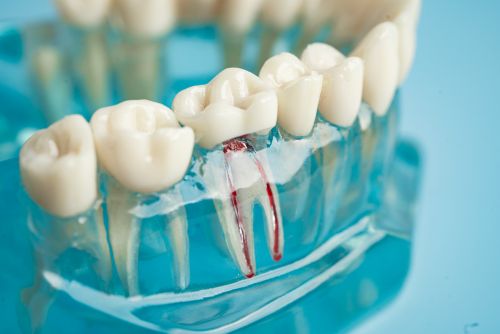
Optimal dental health involves prevantative care and home hygiene, but bacteria may sometimes compromise the health and structure of teeth. Tooth decay starts when plaque acids erode the hard outer surface of the tooth. This erosion creates cavities that may eventually reach the sensitive inner pulp. To save the natural structure and stop the infection, a dentist performs a restorative treatment known as a root canal.
Understanding Tooth Decay
Bacteria in the mouth use sugar from food to produce destructive acids, and these acids eat away at the hard outer layer of the enamel. If the cavity grows deeper, it eventually reaches the soft pulp inside the tooth, and infection spreads. This deep infection necessitates a root canal to remove the damaged tissue. The decay compromises the tooth structure, and professional intervention is necessary to stop the pain.
Explaining Root Canals
The pulp inside the tooth contains blood vessels, nerves, and connective tissue. When infection inflames this tissue, the pressure causes significant discomfort. A root canal removes this inflamed or infected pulp, and the inside of the tooth is carefully cleaned. Although the nerve is removed, the tooth functions normally, and it remains in the mouth.
Common reasons for pulp damage include:
- Deep decay
- Repeated dental procedures on the tooth
- Faulty crowns
- A crack or chip in the tooth
Trauma to a tooth may also cause pulp damage even if the tooth has no visible chips or cracks. The treatment effectively halts the spread of infection, and it preserves the natural tooth function. Without treatment, the tissue may die, and an abscess forms.
Navigating Treatment Steps
Before they perform the root canal, your dentist or endodontist will likely examine the tooth and take X-rays. This imaging reveals the shape of the tooth roots, and it determines if there are signs of infection in the surrounding bone. To prevent pain during the procedure, the provider may administer local anesthesia near the tooth.
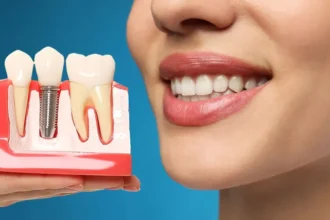
A small opening is made in the crown of the tooth to access the pulp. Very small instruments clean the pulp and roots. After the dentist shapes the space for filling, they clean the debris. Biocompatible material fills the canals of the roots, and adhesive cement seals them. Because the canals are sealed, bacteria cannot enter, and the tooth heals. This material is usually a rubber-like substance called gutta-percha.
A temporary filling closes the opening, and you will return to your dentist to have a crown placed on the tooth to protect it. This restoration restores the full function of the tooth. Even though the root is treated, the tooth needs a crown, or it could fracture.
Learn More About Dental Care
Tooth decay starts small and progresses to the nerve of the tooth if ignored. Root canal therapy removes the infection, cleans the tooth, and seals it to help prevent future infection or damage. This process relieves pain from tooth abscesses, and it saves the natural tooth from extraction. If you want to learn more about the benefits and results of root canals, consult an endodontist near you.