


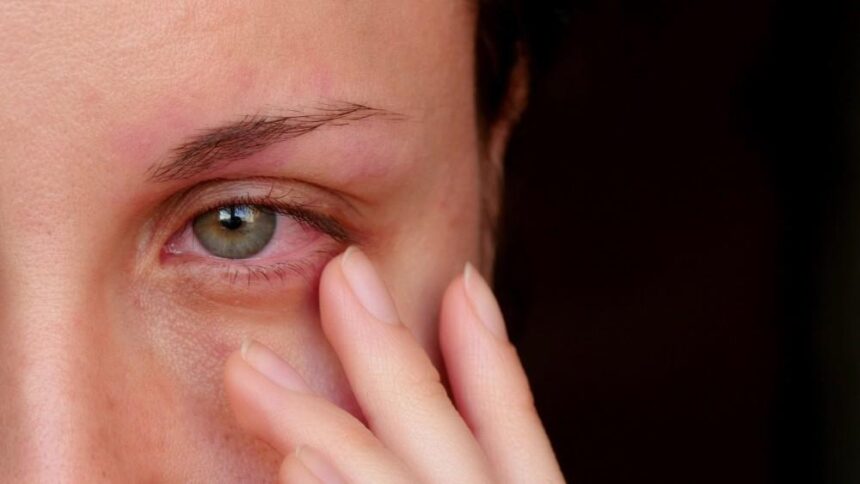
When a person does not get enough sleep, tear production often decreases, and this drop in moisture dries the ocular surface. The resulting dryness causes friction, which irritates the blood vessels, and these vessels may become more visible and create a reddish appearance. Health professionals note a direct connection between fatigue and red eyes, so they assess recent sleep habits as part of their examination. During evaluation, eye care providers identify specific triggers and design treatment plans that address each patient’s symptoms. Rest helps restore normal tear production. As sleep supports natural tear replenishment, the eyes often return to a normal appearance after recovery. Muscular fatigue in the eyes can also contribute, and increased blood flow may make redness more noticeable.
Causes of Red Eyes
Red eyes arise from several causes. Exposure to allergens can irritate the eyes, and airborne particles such as dust or pollen may worsen redness. Extended contact lens use reduces oxygen supply to the cornea, which leads to dilation of surface blood vessels. Infections, including conjunctivitis, also produce noticeable redness, and eye care professionals evaluate contagious causes to determine appropriate management. Dry eye develops when tear production decreases, and the resulting lack of moisture leaves the ocular surface irritated and red. Environmental factors such as wind or smoke disrupt the tear film, and irritation appears quickly under these conditions. Foreign objects may scratch the cornea or conjunctiva, creating visible redness and discomfort.
Other Symptoms With Red Eyes
Red eyes often appear alongside other symptoms. Many patients experience itching, and a gritty feeling is common beneath the eyelids. Thick discharge sometimes develops with bacterial infections, and crust may form along the lash line after sleep. People frequently notice sensitivity to light. The presence of a gritty sensation usually points to dryness or surface irritation, and it may indicate that the protective tear layer has become disturbed. Inflamed blood vessels can create a dull ache near the eye, while some notice their vision becoming blurry at times. Excess tearing occurs as well. Tear ducts may release too much fluid, which can run down the cheeks throughout the day. Allergens can also cause swelling in the eyelids, and some patients find it difficult to open their eyes comfortably, especially in the morning.
Treatment of Red Eyes
Eye care professionals implement a range of strategies to address red eyes. Artificial tears rehydrate the ocular surface, and they reduce irritation caused by dryness. Antibiotic drops treat bacterial infections, and patients follow the prescribed schedule for application. Warm compresses soothe inflamed eyelids, and medical staff may recommend them for regular use. Wearing glasses instead of contact lenses allows the cornea to recover, and this adjustment helps prevent further irritation. In cases of severe inflammation, clinics may prescribe steroid drops, and monitoring of eye pressure is part of this treatment plan.
Find a Clinic
Managing red eyes begins with a thorough evaluation by an eye care professional. Rest may help relieve fatigue-related redness, and maintaining proper hygiene reduces the risk of infection. Because symptoms can vary, providers assess each patient individually and identify specific triggers for irritation. Early identification of the cause allows for targeted treatment. Patients receive strategies tailored to address dryness, infection, or inflammation, and medical staff monitor progress to ensure effectiveness. These steps support recovery and help restore ocular comfort. Find a clinic in your area to learn more.