


Cosmetic dentistry services focus on improving the appearance of a person’s teeth, gums, and overall smile. These procedures range from teeth whitening and bonding to more comprehensive treatments like orthodontics and dental implants. A popular option in cosmetic dentistry is applying veneers, as they can address many aesthetic concerns to enhance a smile’s appearance. Here is more information on veneers and what to expect from getting them:
What Are Veneers?
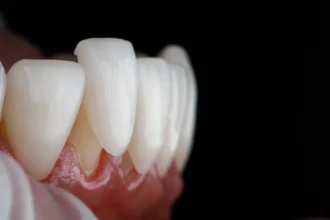
Veneers are thin, custom-made shells that cover the front surface of teeth. They are crafted from tooth-colored materials and are bonded to the front of the teeth, changing their color, shape, size, or length. The primary purpose of veneers is aesthetic improvement, so they’re used to create a more uniform and visually appealing smile. Individuals may opt for veneer options to address issues such as:
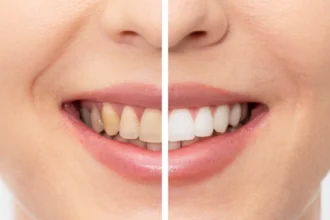
- Discolored Teeth
- Worn Down Teeth
- Chipped or Broken Teeth
- Misaligned or Gapped Teeth
A thorough dental examination is necessary to determine if a person is a suitable candidate for the procedure. Candidates for veneers should have good oral health, including healthy gums and sufficient tooth enamel, as the procedure involves removing a small amount of it. They are not a suitable solution for individuals with significant tooth decay, active gum disease, or those who clench or grind their teeth. These factors may cause the custom-made shells to chip or break.
How Are They Done?
The process of getting veneers typically involves several visits to a dentist, from the initial consultation to the final placement. They require careful planning and precise execution for effective results. The two most common materials used for dental veneers are porcelain and composite resin. Porcelain veneers are known for their durability and stain resistance, and they closely mimic the light-reflecting properties of natural teeth. The choice between these types depends on the individual’s specific needs and the dentist’s recommendation.
What Are the Different Options?
Composite resin veneers are thinner and require less removal of the tooth surface before placement; they can often be applied in a single visit. While most veneer options are permanent, some dental practices will offer other types, including:
- Removable Veneers: These are temporary options that can be taken off as needed. They are custom-made to fit over the teeth and are often used for cosmetic purposes or to cover imperfections without permanent changes to the teeth. They are a less invasive and more affordable option compared to permanent veneers.
- No-Prep Veneers: These options require minimal or no enamel removal before placement. They are ultra-thin and bonded directly to the teeth, making them a less invasive option. No-prep types are ideal for those looking for a more conservative treatment to enhance their smile.
What Can You Expect During Placement?
A veneer procedure usually requires three trips to the dentist: one for a consultation and two to make and apply the veneers. During the first appointment after the consultation, the dentist will prepare the tooth by removing a small amount of enamel from the tooth surface. An impression of the tooth is then made and sent to a dental laboratory, where the veneer is constructed. On the final visit, the dentist will place the veneer on the tooth to examine its fit and color before permanently cementing it in place.
What Are Their Benefits?
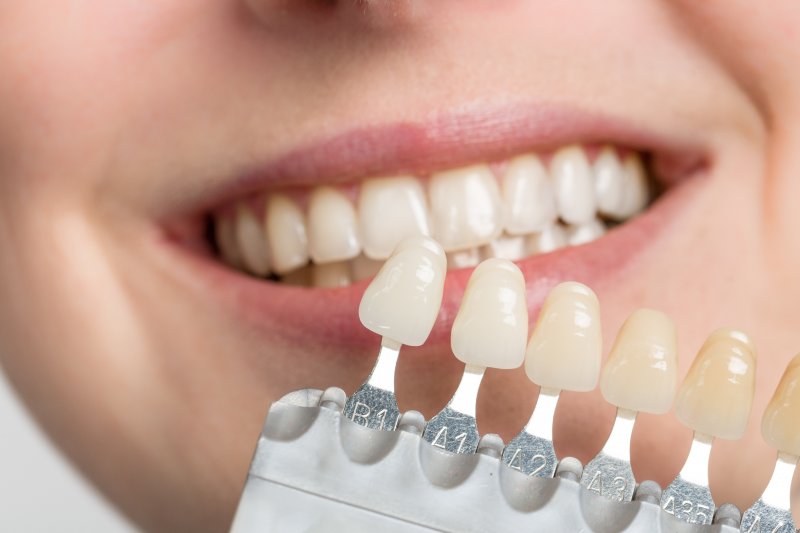
Veneers offer several advantages for individuals looking to improve their smile. They provide a natural tooth appearance, and porcelain is generally well tolerated by gum tissue. Porcelain veneers are also stain-resistant, so they can maintain their color over time. This procedure is a conservative approach to changing a tooth’s color and shape, often requiring less shaping than crowns or other restorative treatments.
Contact a Cosmetic Specialist Today
If you are curious about veneers, the first step is to consult a dental professional who specializes in cosmetic dentistry. A specialist provides detailed information about your oral health and what treatments may benefit you. Contact a specialist today, as they can determine which treatments are most effective for your needs.