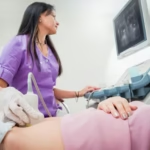




Pregnancy involves significant physiological changes, and some individuals face specific medical challenges during this time. An obstetrician/gynecologist (OBGYN) specializes in managing these complexities to support the health of both the pregnant patient and the baby. Here is more information on the role of these specialists in managing high-risk pregnancies:
What Is an OBGYN?
An OBGYN is a medical doctor who specializes in female reproductive health. They provide care during pregnancy and childbirth, and they also manage disorders of the reproductive system. Patients typically see an OBGYN for annual exams, but they also rely on them for complex medical situations. This combination of surgical and medical expertise allows them to address a broad spectrum of health issues.
What Services Do They Provide?
OBGYNs offer a wide range of medical services related to reproductive health. They perform routine screenings such as Pap smears and diagnose and treat infections and hormonal imbalances. Prenatal care involves monitoring a pregnancy through regular check-ups, and standard visits include tracking fetal growth and checking maternal blood pressure.
During labor and delivery, these physicians manage the birth process. They are trained to handle complications, and they may perform a Cesarean section if intervention is required. Postpartum care focuses on recovery and addresses any physical issues following childbirth. This phase also includes guidance on breastfeeding.
What Are High-risk Pregnancies?
A high-risk pregnancy is one where health risks to the pregnant person or baby are higher than average. Existing conditions like high blood pressure or diabetes can categorize a pregnancy as high-risk, or issues may develop during gestation. Maternal age is another factor that influences risk levels. Pregnancies in women over age 35 often require additional surveillance due to increased genetic risks.
Multiple gestations, such as twins or triplets, also require specialized monitoring. Complications like preeclampsia place a pregnancy in the high-risk category. Early detection allows for appropriate management, and specific plans can be put in place to improve health.
How Are They Managed?
Management of high-risk pregnancies involves frequent monitoring and specialized testing. Patients attend regular prenatal appointments, and they may undergo additional ultrasounds or blood tests. This increased surveillance helps the medical team track the health of both the patient and the baby. Regular monitoring allows doctors to catch changes early and adjust care plans.
Medication may be prescribed to control symptoms, and lifestyle modifications help stabilize the patient’s condition. Bed rest is sometimes advised to prevent preterm labor or other complications. In some cases, early delivery is necessary to protect the health of the mother or baby. The medical team weighs the risks of prematurity against the risks of continuing the pregnancy.
How Is Professional Care Beneficial?
Specialized care provides a structured approach to managing potential complications. OBGYNs have the expertise to identify subtle changes in health status, and they can intervene quickly when necessary. Access to advanced medical technology supports accurate diagnosis and treatment. This level of oversight offers patients effective care throughout a complex pregnancy.
Consult a Specialist Today
High-risk pregnancies require dedicated medical attention and specialized management strategies. An OBGYN provides the necessary expertise to navigate these complexities, and they work to achieve improved outcomes. Schedule a consultation with a specialist to learn more about the process.