



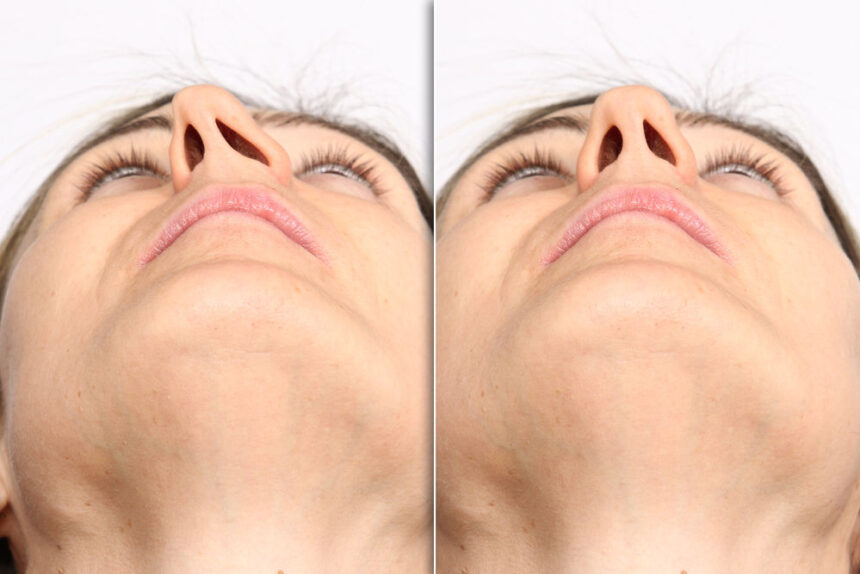
Nasal obstruction is a complaint that affects quality of life, which can lead individuals to seek medical evaluation. One frequent cause of such obstruction is a deviated septum. When this structural issue occurs alongside sinus problems, surgery may be presented as a potential course of action. Understanding the procedures involved, what they address, and the recovery process can help individuals make informed decisions about their health.
What Is a Deviated Septum?
The nasal septum is the wall of bone and cartilage that divides your nasal cavity into two separate passages. The septum is ideally positioned in the center, allowing for equal airflow through both nostrils. A deviated septum occurs when this wall is displaced or off-center.
This condition is quite common. Some people are born with a deviated septum, while others develop it following an injury or trauma to the nose. The displacement can be minor and cause no noticeable symptoms. In other cases, the deviation is more pronounced and may lead to a number of difficulties.
Symptoms associated with a deviated septum can include difficulty breathing through one or both nostrils, nasal congestion, and frequent nosebleeds. Some people may experience facial pain or breathe loudly during sleep. The restricted airflow can also contribute to recurrent sinus infections, known as sinusitis.
What Is Sinus Surgery?
Sinus surgery, in the context of a deviated septum, often refers to a procedure called a septoplasty. A septoplasty is a surgical procedure specifically designed to straighten a deviation. The goal of the operation is to reposition the septum to the middle of the nose. A surgeon performs the procedure entirely through the nostrils, which means there are typically no external incisions or visible scarring on the face. During the surgery, the surgeon may cut, reposition, and sometimes remove parts of the septal bone or cartilage to achieve proper alignment.
What Should You Expect?
Before recommending surgery, a specialist will conduct a thorough evaluation. If surgery is recommended, the medical team will provide specific pre-operative instructions. The procedure is usually performed on an outpatient basis, which allows the patient to return home the same day. General anesthesia tends to be used during the surgery.
Following the procedure, patients can expect a period of recovery. Mild discomfort, swelling, and congestion are common during the first week. The surgeon will provide detailed post-operative care instructions, which may include using saline nasal solutions to keep the nasal passages moist and clean. Most individuals can return to work and regular activities within a week or two, with more strenuous activities being restricted for a longer period.
Meet With a Nose Specialist
If you experience persistent nasal obstruction, breathing difficulties, or symptoms of chronic sinusitis, a consultation with a specialist can be a productive step. An otolaryngologist, or an ear, nose, and throat (ENT) doctor, has the specialized training to diagnose conditions like a deviated septum. Through a comprehensive evaluation, the specialist can determine the underlying cause of your symptoms and discuss appropriate management options. This provides a clear path forward based on your specific anatomical needs and health profile.