


Advancements in medical technology have significantly transformed how spine conditions are diagnosed and treated. For individuals experiencing persistent back pain, sciatica, or reduced mobility due to spinal issues, understanding these technological developments provides clarity on potential treatment paths, such as disc surgery. These innovations allow surgeons to address damaged discs with greater accuracy, often resulting in less disruption to surrounding tissues.
What Is Disc Surgery?
Disc surgery refers to a range of procedures performed to treat damaged intervertebral discs. These discs act as cushions between the vertebrae of the spine, absorbing shock and facilitating movement. When a disc herniates or degenerates, the inner gel-like material may leak out, pressing on nearby nerves. This compression frequently leads to pain, numbness, or weakness radiating into the arms or legs.
The primary goal of this surgery is to relieve pressure on the spinal cord or nerve roots. Surgeons remove the portion of the disc causing compression or remove the entire disc. Depending on the severity of the condition and the specific diagnosis, the space left behind may be stabilized with bone grafts or artificial disc replacements. Non-surgical treatments are typically the first line of defense, but surgery becomes an option when conservative methods fail to provide adequate relief.
What Does It Involve?
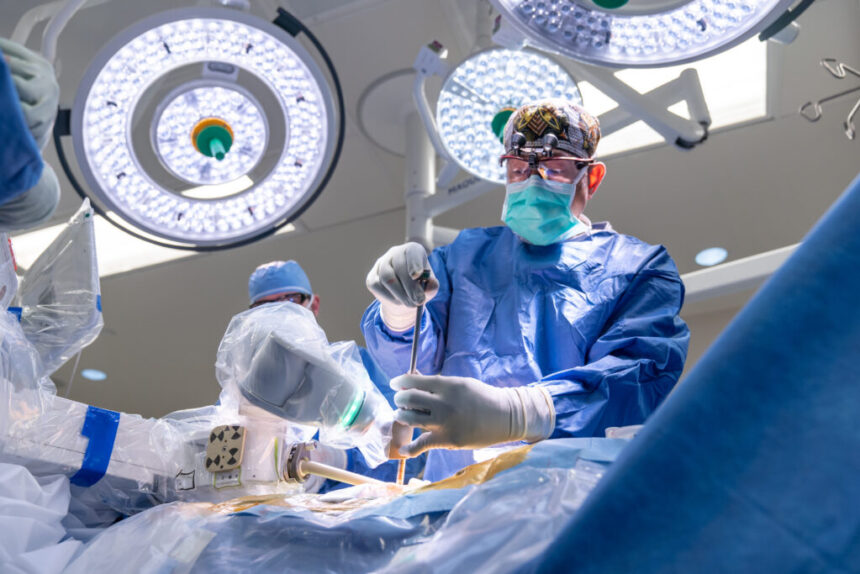
Technological integration has reshaped the procedural landscape of disc surgery. Traditional open surgery often required large incisions and needed significant muscle retraction to access the spine. Today, minimally invasive techniques utilize specialized instruments and imaging guidance to perform the same corrections through much smaller incisions.
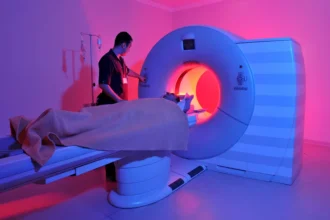
Surgeons may rely on high-definition imaging systems to visualize the spine in real-time during the procedure. Computer-assisted navigation can provide guidance for the spine procedure, allowing the surgical team to track instruments with accuracy. This real-time feedback helps verify the placement of screws or implants and reduces the risk of damaging nearby tissue.
What Are the Benefits?
The shift toward technology-driven, minimally invasive approaches offers distinct advantages and may result in fewer complications for patients undergoing disc surgery. By minimizing the trauma to soft tissues, the body’s natural healing response can function more efficiently. Some other advantages can include:
- Shorter Hospital Stays: Many minimally invasive procedures are performed on an outpatient basis, allowing patients to return home the same day or after a short observation period.
- Faster Recovery: With less muscle disruption, patients often experience a quicker return to daily activities and work compared to traditional open surgery.
- Lower Infection Rates: Smaller wounds and shorter operative times may contribute to a reduced risk of surgical site infections.
- Enhanced Precision: The use of technology minimizes human error and variability, leading to more consistent surgical outcomes.
Confer With a Spine Specialist
Navigating the options for spinal care requires professional guidance. Every patient presents a unique anatomical profile and medical history, meaning that not all technological advancements are suitable for every case. A qualified spine specialist will evaluate diagnostic imaging and physical symptoms to determine the most appropriate surgical or non-surgical strategy. Seeking a consultation allows patients to ask questions about specific technologies, such as robotic assistance or artificial disc replacement, and understand how these tools might impact their specific prognosis.