


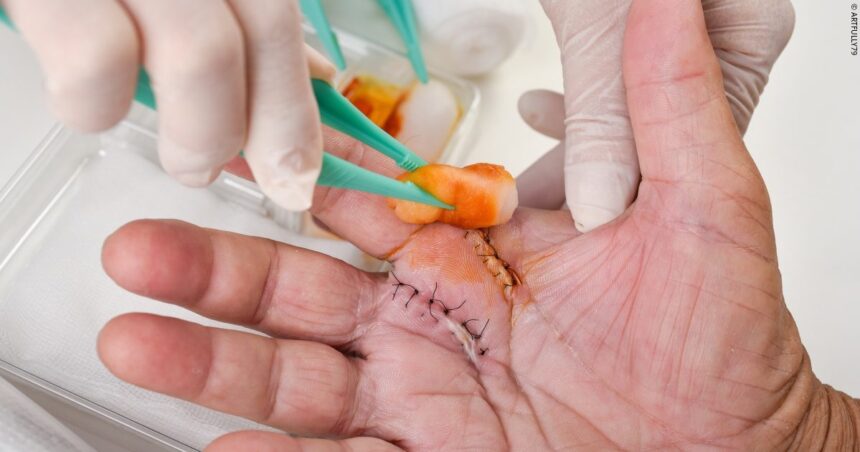
The process of wound healing is a complex biological sequence that the human body performs to repair tissue damage. For most minor injuries, this process unfolds without complications. For complex or chronic wounds, healing can stall and lead to potential health risks. Modern medicine has introduced advanced technologies into wound care management, offering sophisticated tools and methods to support the body’s natural healing capabilities.
What Impedes Wound Healing?
Several factors can interfere with the body’s ability to heal properly. The presence of infection is a primary obstacle, as bacteria can prolong the inflammatory phase and damage new tissue. Inadequate blood supply also slows healing by depriving the wound of the oxygen and nutrients needed for cellular repair. This is common in individuals with vascular disease.
A person’s general health status plays a significant role. Conditions like diabetes and nutritional deficiencies can compromise the immune system and the body’s reparative functions. The location and type of the wound matter; wounds in areas with poor blood flow or constant movement may heal more slowly. Age can also be a factor.
When Is Wound Care Necessary?
While many small cuts and scrapes heal on their own, certain wounds demand professional medical attention. Any wound that does not show signs of healing within a few weeks is classified as a chronic wound and requires evaluation by a specialist. Symptoms that indicate a need for professional intervention include increasing pain, redness, or swelling around the wound site. The presence of pus or a foul odor suggests an infection that must be addressed. Anyone with a compromised immune system or a chronic condition like diabetes should seek professional care for any wound that seems slow to heal.
What Does Treatment Involve?
Professional wound care treatment begins with a comprehensive assessment. A specialist will evaluate the wound’s characteristics and may use advanced imaging or diagnostic tools to check for infection and assess blood flow. Based on this evaluation, a personalized treatment plan is developed.
A key component of treatment is debridement, which is the removal of dead or infected tissue to create a healthy base for healing. This can be done surgically, mechanically, or with specialized dressings. Dressings are selected based on the wound’s specific needs that can help manage moisture and protect the wound bed.
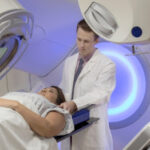
Technology offers more advanced therapies. Hyperbaric oxygen therapy (HBOT) involves breathing pure oxygen in a pressurized chamber to increase the oxygen supply to the wound, promoting faster healing. Other technologies include electrical stimulation and ultrasound, which can also support the repair process.
Meet With a Wound Specialist
Innovations in medical technology have transformed the management of complex and chronic wounds. From advanced diagnostic techniques that provide a clear picture of a wound’s status to therapies that actively accelerate tissue repair, today’s treatments offer hope for healing. These methods work by addressing the underlying factors that impede healing, such as infection, poor circulation, and inflammation. If you are dealing with a non-healing wound, a consultation with a wound care specialist can provide access to these advanced treatments. A specialist can perform a thorough evaluation and design a tailored care plan to support your body’s healing process and help restore tissue function.