



Anxiety can feel like a constant companion, and finding the right treatment path takes time. Transcranial Magnetic Stimulation (TMS) therapy is one option for care. It directly stimulates specific areas of the brain involved in mood regulation. Understand how TMS therapy works, because it can help you make an informed decision.
The Science of TMS Therapy
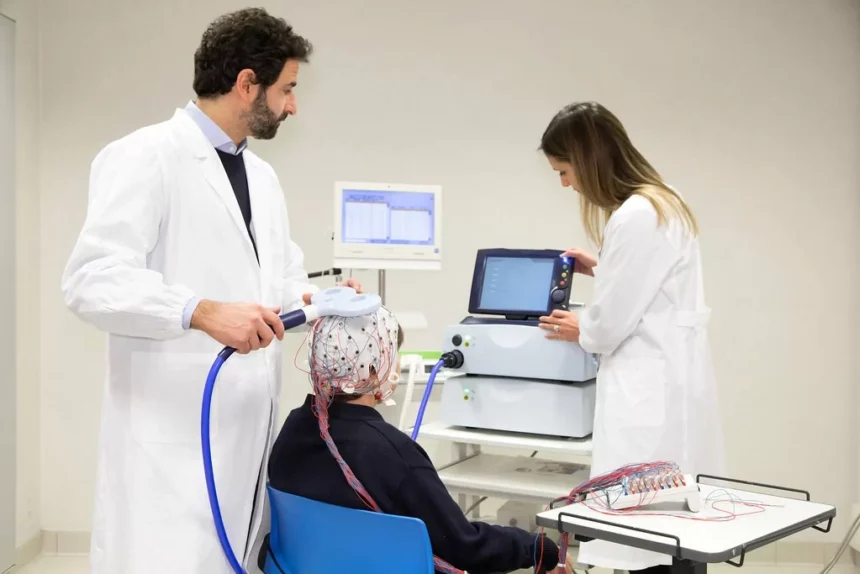
TMS therapy is a non-invasive procedure. It uses magnetic fields to stimulate nerve cells in your brain. A specialized coil is placed against your scalp, and it delivers gentle magnetic pulses to a targeted brain region. These pulses generate small electrical currents that activate brain cells. TMS usually targets brain areas involved in mood regulation, such as the prefrontal cortex. Stimulating these nerve cells, TMS attempts to balance neural activity disrupted in anxiety disorders.
Improved neural communication helps the brain regulate anxious thoughts and reactions. Researchers continue to study how TMS affects people with anxiety. Some recent clinical studies show that TMS may change brain activity patterns seen in anxiety, and it can treat other related conditions. While the science is evolving, early research suggests that repetitive TMS sessions can produce changes in brain function connected to anxiety regulation. Ask your provider if this therapy is an option for you.
The Treatment Process
A typical TMS session is straightforward. You sit comfortably in a chair during treatment and wear your regular clothes to your appointment. Before starting, the TMS technician reviews your medical history and answers any questions you have. You may also be measured to make sure the coil placement is accurate and targets the correct brain region. The TMS technician places the coil on your head, and you might feel a gentle tapping or tingling where the pulses are delivered. Some people can find the sensation unusual at first, but most adjust quickly, and it is not painful. Then, the device delivers its magnetic pulses for about 40 minutes. No anesthesia is required, and you resume your daily activities immediately after. Duration of treatment and observation may vary depending on you or your provider.
The Therapy Benefits
TMS therapy offers a unique approach for managing anxiety, and it is an option for those who have not found relief with other treatments. Since it is a non-systemic treatment, it avoids some side effects associated with medications. Common side effects are mild and include scalp discomfort, so some people find the treatment itself easy to tolerate. Unlike medications that affect the whole body, TMS primarily targets the specific regions involved in mood regulation. For some individuals, the effects of TMS continue after the sessions are complete. Research is ongoing to better understand the duration of these benefits. Some people report experiencing improvement in anxiety symptoms months after finishing their treatment course.
Take Your Next Step
Learning about all available options is a key step in managing anxiety. If you believe TMS therapy is right for you, discuss it further. Speaking with a qualified healthcare provider provides clarity. Your provider will assess your specific situation, and they can answer your questions. This conversation will help you determine if TMS is a suitable addition to your treatment plan.