



Fertility services provide options for individuals and couples looking to build their families, and one method is in-vitro fertilization, or IVF. Understanding the science behind this process can help you be more informed. While the IVF process involves several distinct medical stages, each one serves a specific purpose in assisting you toward a successful conception. Here is more information about the science behind this treatment:
Stimulating Ovaries
A key element of the IVF process involves stimulating the ovaries. A doctor prescribes medication to encourage the development of multiple eggs, while a natural cycle typically produces only one. This approach increases the number of eggs available for fertilization, and the body’s response to these medications is monitored through blood tests and ultrasounds.
This monitoring allows the medical team to track follicle growth. Since every person’s body reacts differently, adjustments to the medication plan may be made. The goal is to retrieve multiple mature eggs for the next stage; this careful management sets the foundation for the rest of the cycle.
Retrieving and Fertilizing Eggs
After the stimulation phase, specialists retrieve the mature eggs. A physician performs this minor surgical procedure, which is guided by ultrasound. A thin needle helps to collect the eggs from the ovarian follicles, and the procedure is typically quick.
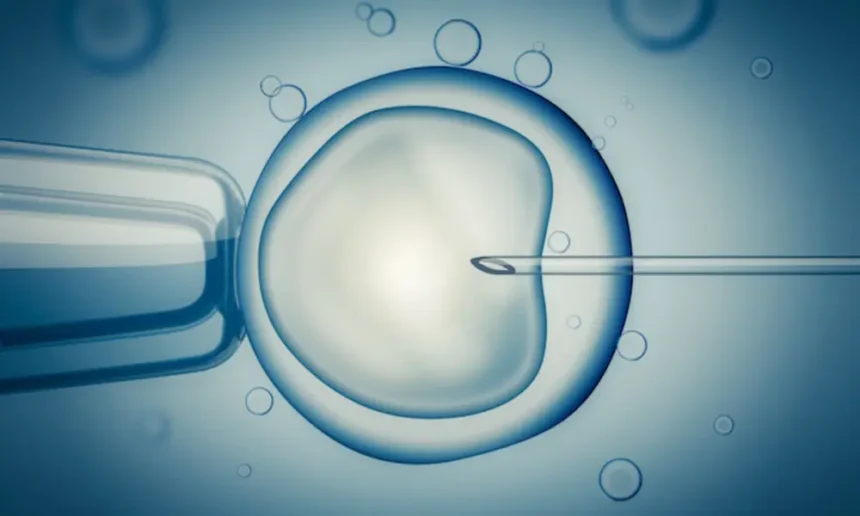
Once retrieved, the eggs are taken to a laboratory, and an embryologist then prepares them for fertilization. They combine the eggs with sperm in a laboratory dish, and they monitor them for signs of fertilization. In some cases, they inject a single sperm directly into an egg in a process called intracytoplasmic sperm injection (ICSI).
The fertilized eggs, now called embryos, go into a special incubator. This controlled environment supports their growth, which allows them to develop for several days. Embryologists regularly check on the embryos to assess their development, and they look for specific markers of healthy cell division.
Transferring Embryo
The embryo transfer is a straightforward fertility procedure. After developing for several days in the lab, specialists select one or more embryos for transfer. An embryologist loads the selected embryo into a thin catheter, and they proceed to the next step.
The physician then carefully guides the catheter through the cervix and into the uterus. An embryo is gently deposited into the uterine lining, and this is where it can implant. In many cases, the procedure is relatively quick and typically does not require anesthesia. Following the transfer, you may be advised to:
- Rest for a short period.
- Resume light activities.
- Follow specific medication instructions.
Controlling Hormones
Hormonal support is a key part of the IVF process following the embryo transfer. Progesterone may help prepare the uterine lining for the embryo. This hormone is used to create a receptive environment for implantation and supports early pregnancy. The medication is given as an injection, a vaginal suppository, or a gel, and your medical team will provide specific instructions for your treatment plan.
Schedule Fertility Treatments Today
The science of in-vitro fertilization involves a series of coordinated steps, and each stage, from ovarian stimulation to hormone support, plays a role in the process. Understanding these medical procedures gives you a clear view of the IVF process. If you have questions about your fertility options, guidance is available. Contact a fertility clinic to schedule a consultation and learn more about fertility treatments.