


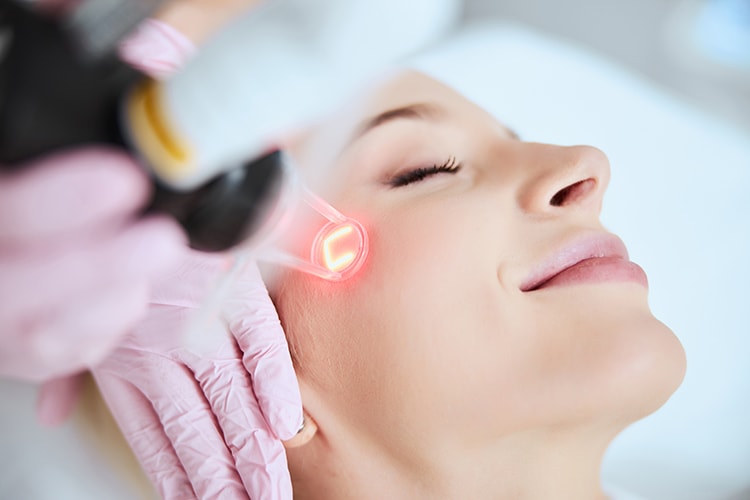
Skin resurfacing is a procedure that removes the outermost layers of damaged skin, and people use it to address texture changes, deep lines, and acne scars. This treatment encourages your skin to boost collagen production, which is a natural part of the healing process. As the body repairs minor targeted injuries to the skin’s surface, your complexion may appear smoother. These tips may help you protect your skin after a resurfacing treatment:
Address Skin Peeling
Peeling is a normal stage of the recovery process, and you might notice flaking or shedding during the first week. Dead skin has to loosen so that new, fresh layers can safely emerge. Avoid picking or pulling at loose skin, as this may increase the risk of scarring. This habit may also put you at risk for infection or irritation around the treated area.
To care for peeling skin, follow these suggestions:
- Allow your skin to flake away naturally
- Skip harsh exfoliating products or scrubs
- Keep loose hair away from your face
- Try to sleep on your back to avoid rubbing
Apply Topicals
Your skin may lose moisture quickly after resurfacing, and the protective barrier is temporarily weakened. Apply a generous amount of the topical ointment or gel recommended by your practitioner. If dryness lingers, your recovery time increases, and discomfort can worsen. Reapply your topical every few hours to help keep the surface moist and protected.
Doctors may provide specific instructions on which moisturizer is ideal for healing after skin resurfacing. Consistent application helps calm irritation, and it can lessen the feeling of heat or stinging while you heal. Absorption is fastest during the first few days, so pay special attention to product timing.
Protecting new skin from the sun is another key step. Skin may be more susceptible to pigment changes after resurfacing, so avoiding the sun helps reduce that risk. Wear a wide-brimmed hat if you need to go outside, and try to stay in shaded areas whenever possible. Using these strategies supports healthy-looking results without adding extra damage.
Clean Skin Repeatedly
Because freshly resurfaced skin is delicate, you need to use extra care when washing your face. Skip any rough cloths or cleansing brushes for now, as gentle methods help you avoid discomfort. Use your clean hands to splash water on your face, and softly pat it dry with a soft towel. Rubbing can loosen protective scabs or harm the surface.
Hygiene remains significant during healing, so wash the treated area with lukewarm water to prevent infection. Avoid hot water, as it can increase redness and make irritation worse. Lukewarm water is soothing when your skin is sensitive, and it cleanses away buildup without harm. If your doctor approves, a diluted vinegar soak might help balance skin pH and decrease bacteria on the surface.
Use an Ice Pack
Mild swelling sometimes occurs after resurfacing, and you may notice puffiness in the first few days. While inflammation is typical, it typically fades as healing progresses. Hold a soft ice pack or wrapped cold compress to the area for about ten minutes at a time. Breaks between applications are necessary to protect your skin from cold burns or damage.
Schedule Skin Resurfacing Today
If you have questions about recovery or want more detailed post-care advice, reach out to our clinic. Specialists can help guide you through each phase of healing and answer your concerns with clear instructions. Schedule a consultation with a dermatology clinic to get professional guidance and begin the process.