


Your skin is your body’s largest organ, and it is susceptible to a wide range of conditions that can affect its appearance and health. From common issues like acne and eczema to more serious concerns like psoriasis and skin cancer, effective treatments are available to manage symptoms and promote healing. Here is more information about how a skin doctor can treat various skin conditions:
Treating Skin Cancer
Skin cancer requires prompt and effective medical intervention to prevent it from spreading; a skin doctor can determine a course of action based on the type and stage of the cancer. Doctors use cryotherapy to freeze the lesion. Another option is excisional surgery, which involves cutting out the cancer cells.
Mohs surgery is a specialized procedure that removes cancerous material layer by layer while preserving healthy skin tissue. Photodynamic therapy uses light to destroy cancer cells effectively. In advanced cases of malignant melanoma, chemotherapy or radiation may be necessary, and this is typically provided via referral to an oncologist.
Managing Psoriasis Symptoms
Psoriasis speeds up the life cycle of skin cells. It causes cells to build up rapidly on the surface of the skin, forming scales and red patches that are itchy and sometimes painful. Treatments aim to stop the skin cells from growing so quickly, and they also help patients to remove scales.
Some psoriasis treatments a dermatologist offers may include:
- Topicals: Creams, lotions, or ointments containing corticosteroids, Vitamin D, or Retinoids.
- Methotrexate: Medication to slow down rapid skin cell growth.
- Immunosuppressants: Medications that reduce the immune system’s overactive response.
- Phosphodiesterase 4 Inhibitors: Medications that suppress rapid skin cell turnover.
Clearing Acne Breakouts
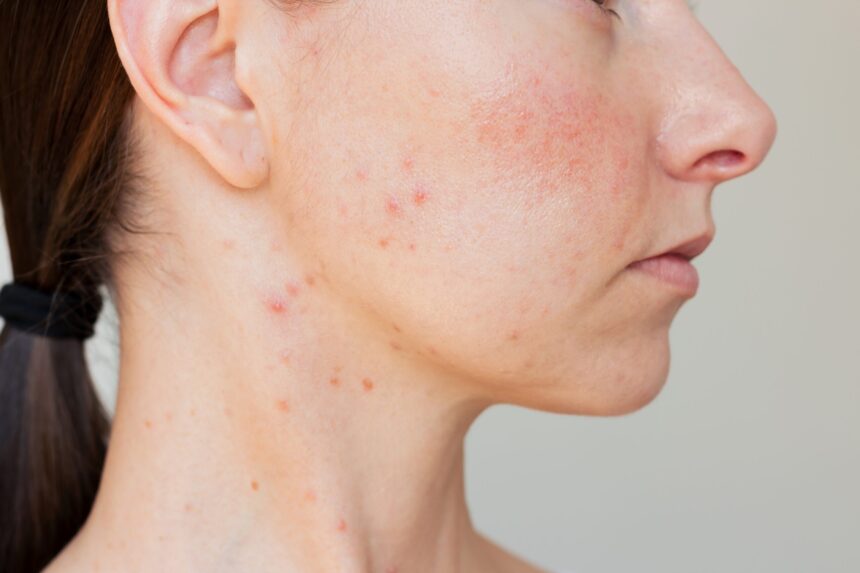
Acne is a skin condition that occurs when your hair follicles become plugged with oil and dead skin cells. It causes whiteheads, blackheads, or pimples. Acne is most common among teenagers, though it affects people of all ages. Effective acne treatments work by reducing oil production and speeding up skin cell turnover; they may also fight bacterial infection and reduce inflammation.
Over-the-counter, or OTC, products like facial cleansers and moisturizers are often sufficient for mild cases. Topical prescription agents are specialized creams or gels that can be more effective for moderate acne. Antibiotics may be prescribed to treat infection and inflammation; for severe, persistent acne, Accutane is a prescription medication used to significantly reduce oil production.
Soothing Eczema Flares
Eczema, or atopic dermatitis, is a condition that makes your skin red and itchy. It is common in children, but it occurs at any age. Eczema can be long-lasting and tends to flare periodically. No cure has been found for eczema, but treatments and self-care measures may relieve itching and prevent new outbreaks.
Hydration is an integral component of eczema care, and it includes daily bathing and moisturizing routines to restore the skin barrier. Wet wrap therapy involves the application of moist bandages to rehydrate skin. Antihistamines can help manage itching, which may interfere with daily activities.
Find a Skin Doctor Today
Skin conditions vary greatly in symptoms, and they also differ in severity. Whether dealing with a minor irritation or a chronic disease, understanding your treatment options can help you get the care you need. To learn more about treatments for various skin conditions, consult a dermatologist near you.