


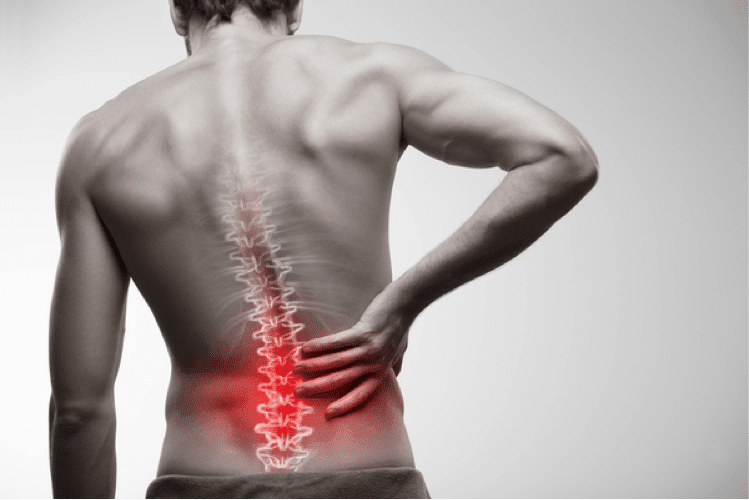
Your spine is a complex structure made up of bones, discs, muscles, and nerves that work together. It supports your body and protects the delicate spinal cord. The bones of the spine, called vertebrae, are stacked on top of one another, and they are separated by rubbery discs that act as shock-absorbing cushions. Back pain often occurs when something disrupts the intricate harmony of how these parts function. Understanding the potential causes of your spinal pain is a first step toward finding effective relief.
Muscle and Ligament Strains
Everyday activities can sometimes strain the muscles and ligaments that support your back. Heavy lifting or sudden, awkward movements may overstress spinal ligaments and back muscles, leading to strains or tears. Constant back strain can trigger painful spasms that make daily movement difficult. If you are not in good physical condition, this constant strain on your back may develop into a persistent, chronic issue. This type of back pain is very common, and it often improves with appropriate rest and careful, gentle movement.
Degenerative Conditions
Over time, the components of your spine can naturally wear down, leading to various degenerative conditions.
- Degenerative Disc Disease: As you age, the discs between your vertebrae may lose hydration, shrink, or develop tears. This deterioration can cause the bones to rub together, leading to pain and stiffness. This condition is a natural part of the aging process for many people.
- Herniated or Ruptured Discs: The soft, gel-like material inside a spinal disc can bulge out or rupture through its tough exterior, pressing on a nearby nerve. This pressure may cause significant pain, numbness, or weakness in the area of the body that the nerve serves.
- Arthritis: Osteoarthritis, a “wear-and-tear” form of arthritis, can affect the joints in the lower back. Sometimes, spinal arthritis narrows the space around the spinal cord (spinal stenosis) and compresses nerves.
These conditions typically develop gradually, and they are often associated with the natural aging process.
Trauma and Infection Issues
Back pain may also result from specific injuries or other health problems. A traumatic event such as a fall, a car accident, or a sports injury can cause damage to the vertebrae, ligaments, or discs in your spine. Seek medical care after such an event to rule out serious injury. Infections may also cause back pain; if an infection settles in the spine, it can lead to severe inflammation and pain that requires immediate medical attention. Osteoporosis makes bones brittle, raising the risk of painful vertebral fractures from even minor stresses. These types of issues require a careful, thorough evaluation by a qualified healthcare provider.
Talk to a Doctor About Back Pain Today
Living with persistent back pain may be challenging, and it can affect your ability to work, get restful sleep, and enjoy your daily life. Because the spine is so complex, identifying the exact cause of your pain is part of finding the right treatment. A medical professional can diagnose your discomfort by reviewing symptoms, examining you, and discussing your history. If you are experiencing back pain that doesn’t go away, consulting with a doctor may offer a clear path toward managing your pain.