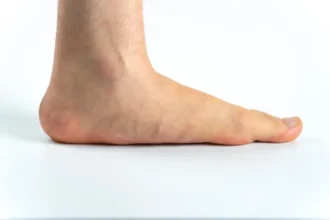



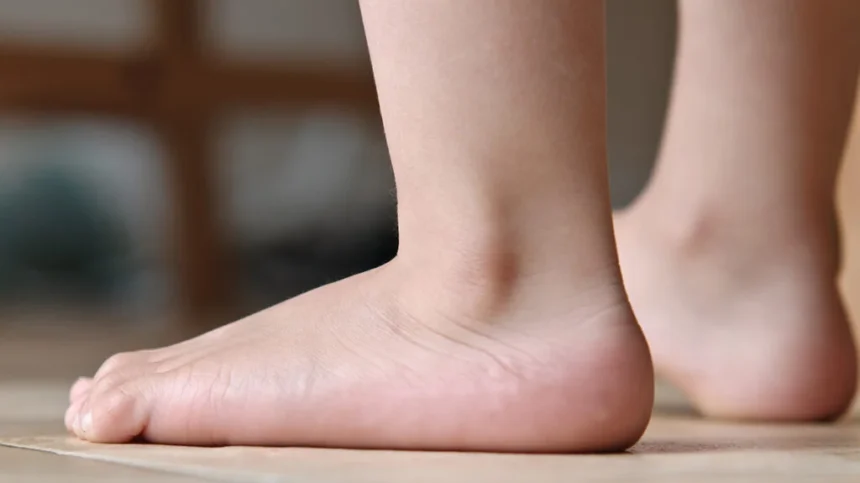
Flat feet occur when the arches collapse entirely, and the entire sole touches the floor, eliminating the natural curve. Because the foot acts as a foundation, this misalignment affects the whole body. You might notice pain in your heels or aching in your legs, and fatigue sets in quickly during walks. Here are some of the ways flat feet can be treated:
Recommended Exercises
Specific movements strengthen the muscles that support your fallen arches. You strengthen the foot muscles when you perform towel scrunches daily. Place a towel on the floor, grab it with your toes, and repeat this motion. Calf raises also help, as they target the tendons around the ankle. While standing on a step, slowly lower your heels for a stretch, then raise them back up.
Cold Therapy
Inflammation causes significant pain for people with flat feet, and the tendons become irritated. If you have had a long day, ice reduces the swelling, and you can manage pain naturally this way. Apply cold for fifteen minutes, and then let the skin rest. Because ice constricts blood vessels, it numbs the area to provide relief and break the pain cycle.
There are several practical methods for applying cold to your feet. A frozen water bottle works well, or you might prefer an ice pack. Since the arch is curved, rolling a bottle massages the area simultaneously, and the cold penetrates deep tissues. Do not apply ice directly to bare skin, and protect your foot with a thin cloth to prevent ice burn.
Try these methods:
- Frozen water bottle roll
- Standard gel ice packs
- Cold water foot bath
- Bag of frozen vegetables
Custom Orthotics
Store-bought inserts offer padding, but they lack true corrective properties. Custom orthotics differ because a specialist molds them to your unique foot structure. Generic insoles might slide around, yet custom devices stay securely in place. When you wear them, they hold the foot in a neutral position.
Doctors create these devices using precise impressions of your feet, and the process captures every contour, so the fit is exact and comfortable. After they analyze your gait, they choose the right materials for you. Since the device is personalized, it addresses your specific biomechanical faults.
Orthotics provide long-term relief for persistent flat foot pain. You wear them daily, and they retrain your muscles over time. Because the bones align correctly, pressure is distributed evenly across the sole. This prevents calluses and sore spots, and the pain disappears gradually.
Surgical Correction
Surgery becomes an option when conservative treatments do not resolve the pain. Doctors might repair damaged tendons, or they might reshape the bones entirely to restore the arch. Recovery takes time, but the outcome improves function for many patients. Your doctor guides you through this choice.
Get Treated for Flat Feet
If you suspect flat feet, schedule an evaluation with a foot and ankle team today. Do not ignore the symptoms; early treatment prevents future complications, so act now to protect your mobility. Because every case is different, doctors tailor their approach to your needs. Contact a foot and ankle clinic to start the process.