



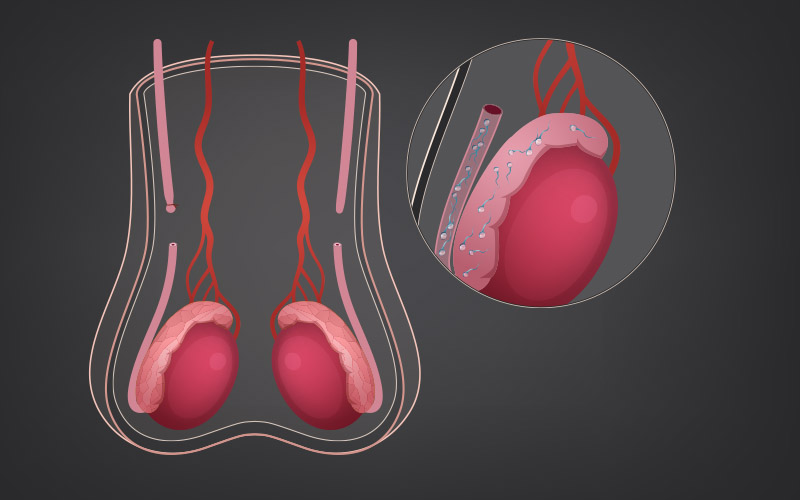
A vasectomy is a surgical procedure for male sterilization, and it involves cutting or sealing the tubes that carry sperm, which permanently prevents pregnancy. While effective, this procedure is not the only option for long-term birth control. These options range from temporary, user-controlled methods to other permanent procedures.
Barrier Methods
Barrier methods are a form of contraception that physically blocks sperm from reaching an egg. People use barrier methods only during sexual intercourse, and these methods offer a reversible, non-invasive alternative to a vasectomy. The effectiveness of barrier methods can vary, and consistent, correct use is advisable to achieve the best results. Many of these options, such as condoms, are easy to purchase at pharmacies or stores without a prescription.
- Condoms: External condoms are sheaths, typically made of latex, that cover the penis to collect semen. When used correctly and consistently, they are effective at preventing pregnancy. Condoms also have the added benefit of reducing the transmission of sexually transmitted infections (STIs). They are widely available without a prescription.
- Diaphragms and Cervical Caps: These are reusable silicone cups inserted into the vagina before intercourse. They cover the cervix to prevent sperm from entering the uterus. For these methods to be effective, they must be used with spermicide, a substance that immobilizes sperm. A healthcare provider needs to fit you for the correct size.
Hormonal Alternatives to Vasectomy
While research into male hormonal contraceptives is ongoing, they are not yet widely available. Most existing hormonal methods are for women. These methods use hormones to prevent ovulation, so no egg is released for fertilization.
Hormonal options include birth control pills, which must be taken daily, and patches that are changed weekly. Other choices include monthly vaginal rings and injections administered by a healthcare provider every few months. Long-acting reversible contraceptives (LARCs) like intrauterine devices (IUDs) and hormonal implants offer effective birth control for several years, but a medical professional must insert and remove them. These methods are highly effective. They require consistent use or medical procedures for placement.
Tubal Ligation
Female sterilization, or tubal ligation, is a permanent birth control method for those certain they do not want more children. This surgical procedure blocks the fallopian tubes, so eggs cannot reach the uterus, preventing pregnancy. Tubal ligation is a more invasive surgical undertaking compared to a vasectomy. Because it involves internal surgery, the procedure is typically performed under general anesthesia, and patients should expect a longer recovery period as the body heals. While the surgery is a significant medical event, it does not alter a woman’s hormonal balance or disrupt her natural menstrual cycle. Because the procedure is intended to be irreversible, it is a suitable choice only for those who are certain they do not wish to have children in the future.
Ask a Doctor Today
Choosing a method of contraception is a personal decision that depends on many factors, including your health, lifestyle, and family planning goals, and different methods may suit different people based on these factors. Each option has its own considerations regarding effectiveness, permanence, and ease of use. Discussing these alternatives with a healthcare provider can help you understand the benefits and risks of each. A doctor can provide clear, personalized information to help you make a choice that is right for you and your partner.