



Certain medical conditions can affect brain function, leading to a range of symptoms that impact daily life. Medical science continues to explore methods to address these conditions. One such method is transcranial magnetic stimulation, which is a procedure that interacts with the brain from outside the body. This approach is characterized as non-invasive because it does not require surgery or break the skin.
What Is Transcranial Magnetic Stimulation?
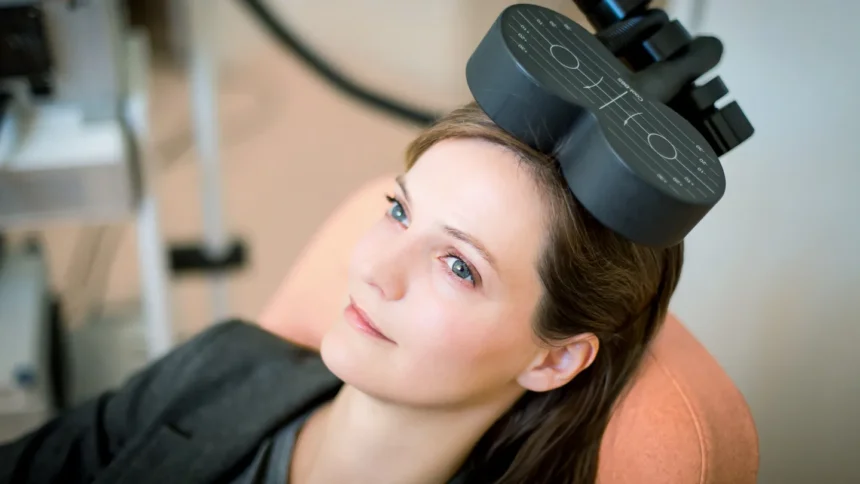
Transcranial magnetic stimulation, often abbreviated as TMS, is a procedure that uses magnetic fields to influence nerve cells in the brain. The treatment is administered externally, which means that no instruments are placed inside the body. A specialized device is positioned over the scalp to deliver focused magnetic pulses to specific areas of the brain.
The development of TMS stems from the understanding that the brain operates through impulses that nerve cells communicate with each other. When these patterns of communication are disrupted, it can contribute to various neurological and psychiatric conditions. TMS offers a way to modulate this neural activity directly from outside the skull.
How Does It Work?
An electromagnetic coil is placed against the patient’s head, generating brief magnetic pulses that pass unimpeded through the skull and into the brain. The goal is to stimulate regions that may be underactive or to inhibit regions that may be overactive, thereby helping to restore more typical patterns of neural communication. A typical course of treatment can involve multiple sessions scheduled over several weeks.
What Can It Address?
Medical professionals use TMS to address specific conditions related to brain function. It can be utilized for the treatment of major depressive disorder (MDD), particularly for individuals who have not experienced satisfactory improvement with other treatments like antidepressant medications. Beyond depression, the application of TMS is being investigated for other conditions. These include obsessive-compulsive disorder (OCD), where it is used to target deeper brain structures involved in compulsive behaviors. The potential use of TMS is also being explored for conditions such as anxiety disorders and post-traumatic stress disorder (PTSD).
There is also research into the use of TMS for addressing addiction, including substance use disorders and smoking cessation. Practitioners can use TMS to influence neural circuits that play a role in craving and reward, with the aim of supporting individuals in reducing or stopping addictive behaviors. The scope of its application continues to be an area of active scientific study.
Confer With a Brain Specialist
Speaking with a qualified brain specialist is a productive step for anyone seeking to understand their treatment options. These professionals possess the expertise to evaluate an individual’s specific health profile and medical history. They can provide a detailed explanation of how a procedure like TMS might apply to a person’s unique circumstances. A specialist can also clarify what to expect during a course of treatment, including the frequency and duration of sessions. They will discuss the full range of available therapeutic approaches, allowing for an informed dialogue about personal health decisions. This consultation provides an opportunity to receive personalized guidance based on a comprehensive assessment of one’s condition.