


COVID-19, caused by the SARS-CoV-2 virus, affects respiratory health and disrupts daily life. Understanding the available testing options allows patients to seek appropriate care when symptoms arise, and it helps limit the spread of the virus. Here is more information on the virus, its causes, and the professional testing procedures currently in use:
What Is COVID-19?
Coronavirus disease 2019, or COVID-19, is a contagious respiratory illness that affects the lungs and airways. It ranges from mild illness to severe respiratory failure, so accurate diagnosis is a necessary step for determining the correct course of treatment. Older adults and people with underlying medical conditions often face a higher risk of developing more serious complications or requiring hospitalization.
What Causes It?
The infection is caused by the severe acute respiratory syndrome coronavirus 2 (SARS-CoV-2). The virus spreads primarily through respiratory droplets released when an infected person coughs, sneezes, or talks during close interactions. These infectious droplets can land in the mouths or noses of nearby people, or they may be inhaled directly into the lungs. Infection spreads easily in crowded indoor settings with poor ventilation, making social distancing and mask-wearing helpful preventative measures.
What Are the Symptoms?
Symptoms vary widely, from no symptoms at all to severe illness requiring intensive care. Recognizing the signs is key to determining when to isolate or seek medical attention. Common symptoms include:
- Fever or chills
- Persistent cough
- Shortness of breath or difficulty breathing
- Fatigue
- Muscle or body aches
- New loss of taste or smell
Being aware of these symptoms helps individuals take timely action to protect themselves and others.
What Testing Options Are Available?
A healthcare provider may begin the diagnostic process with a comprehensive physical examination to assess overall health. The doctor listens to the patient’s lungs to detect abnormal breathing sounds, such as wheezes or crackles, and checks for fever or other visible signs of active infection. This initial assessment provides context for the medical team, but it does not confirm the presence of the virus on its own.
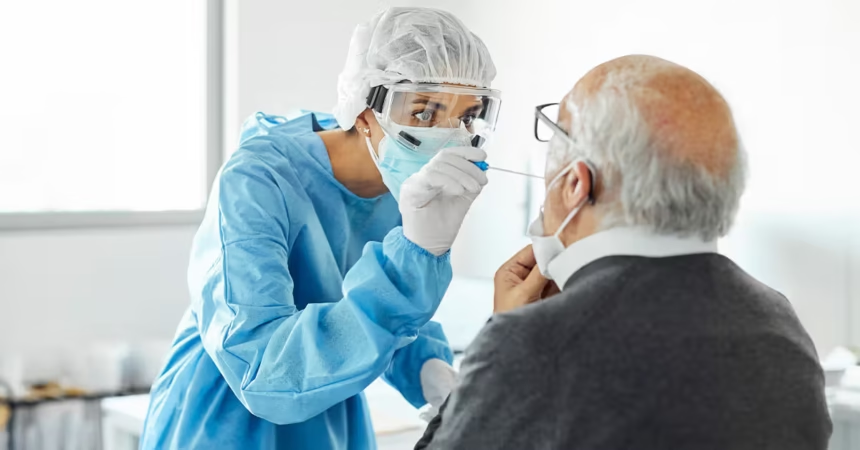
The polymerase chain reaction (PCR) test diagnoses a current COVID-19 infection. This molecular test detects the virus’s genetic material in a sample, and it is typically performed using a specialized nasal or throat swab. The collected sample is sent to a laboratory, where technicians analyze it for specific viral markers using advanced amplification techniques. Results may take several days to process, depending on lab capacity.
How Is Professional Care Beneficial?
Seeking professional medical care enables diagnosis and appropriate management of symptoms throughout the course of the illness. Doctors monitor health indicators, and they can prescribe specific medications to alleviate severe symptoms or complications. Early intervention by medical professionals helps prevent disease progression and may reduce the risk of long-term health complications.
Get Tested Today
Prompt testing remains a key component in managing individual health and maintaining public safety. If you experience symptoms or suspect recent exposure to the virus, contact a healthcare provider immediately to discuss your options. Accurate diagnosis may improve health outcomes, and it protects family members and the community from potential infection. Schedule an appointment for a comprehensive professional evaluation and testing today.