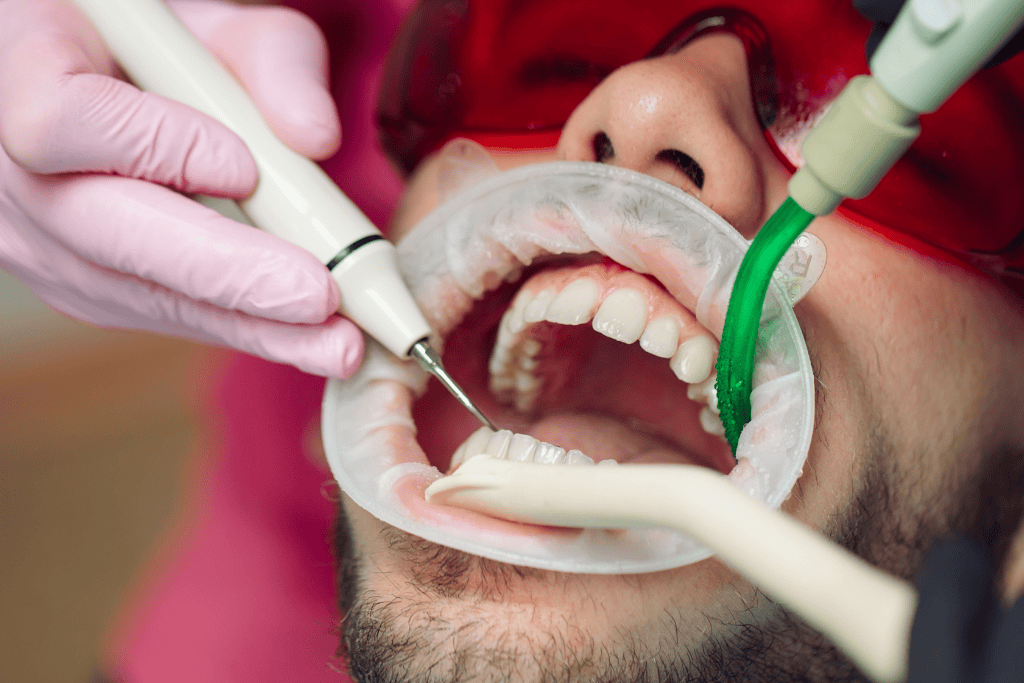




Emergency dental care addresses sudden dental issues that require immediate attention, and these situations involve pain, injury, or infection. In many cases, the goal of this treatment is to relieve severe pain and address urgent problems to prevent them from getting worse. Understanding what happens during an emergency visit can help you be more prepared. This is what to expect during emergency dental care treatment:
Rapid Assessment
Your visit typically begins with a rapid assessment of your dental condition. To do this, the dental team will ask about your symptoms and medical history. This initial review helps them understand the problem’s source, and they will proceed with a focused examination.
During emergency dental care visits, the dentist may evaluate several key areas to determine the ideal course of action. These include:
- Tooth damage: Checking for cracks, fractures, or breaks in teeth.
- Gum health: Assessing for swelling, bleeding, or signs of infection.
- Oral infection: Identifying abscesses or other signs of bacterial infections.
- Jaw condition: Making sure the jaw is properly aligned and free from injury.
- Overall pain source: Pinpointing the exact location and cause of the pain.
The dentist will examine the affected area to determine the cause of your emergency, and a visual inspection is standard practice. The team may also take X-rays to see issues below the gum line, which provides a complete view of the tooth and bone structure.
Local Anesthesia
If your treatment involves potential discomfort, you will receive local anesthesia. The dentist administers this medication to numb a specific part of your mouth. It blocks nerve signals in the area, so you will typically not feel pain during the procedure; the numbness is temporary.
The anesthetic is typically injected into the gum tissue near the affected tooth. You might feel a small pinch as the needle is inserted. The area will start to feel numb within a few minutes, and the dentist will check to confirm the anesthesia is working before starting treatment. This process allows for a more comfortable experience while the urgent dental work is completed.
Urgent Treatments
Once your mouth is numb, the dentist will begin the necessary treatment. The specific procedure depends on your dental emergency. These treatments are focused on managing the immediate issue.
For a severe toothache caused by a deep cavity, the dentist might perform a root canal or an extraction. If you have a dental abscess, the dentist will drain it to remove the infection and relieve pressure. A chipped or broken tooth may get a temporary filling or bonding to protect it from further damage. These actions address the acute problem.
Other urgent treatments target different issues; a dislodged tooth might be splinted to an adjacent tooth for stability while it heals. For a lost filling or crown, the dentist may clean the area and place a temporary restoration. The objective of any urgent procedure is to stabilize your dental health and reduce your pain.
Necessary Follow-ups
After your emergency treatment, you may need a follow-up appointment. The dentist will provide you with specific instructions to follow at home, and these steps help with your recovery. Your aftercare instructions could include:
- Pain management advice
- Diet recommendations
- Hygiene techniques
Get Emergency Dental Care
Emergency dental situations require prompt attention to relieve pain and address the underlying problem. The process involves a quick evaluation, pain management, and focused treatment. Following through with any recommended aftercare and follow-up visits completes the process. If you are experiencing a dental emergency, contact a dental clinic for guidance and to schedule an appointment.